
Protest, Counter-Protest, and Public Expression
On Saturday, January 17, 2026, downtown Minneapolis, Minnesota, became ground zero for one of the most visually charged demonstrations the city had seen in weeks. What was planned by right-wing influencer Jake Lang as a small march quickly turned into a larger scene of confrontation and counter-demonstration. As photographers capturing the day, our goal was to document what actually happened, preserving visible emotion, movement, and the powerful voices of community members on the streets.
Planning Meets Reality
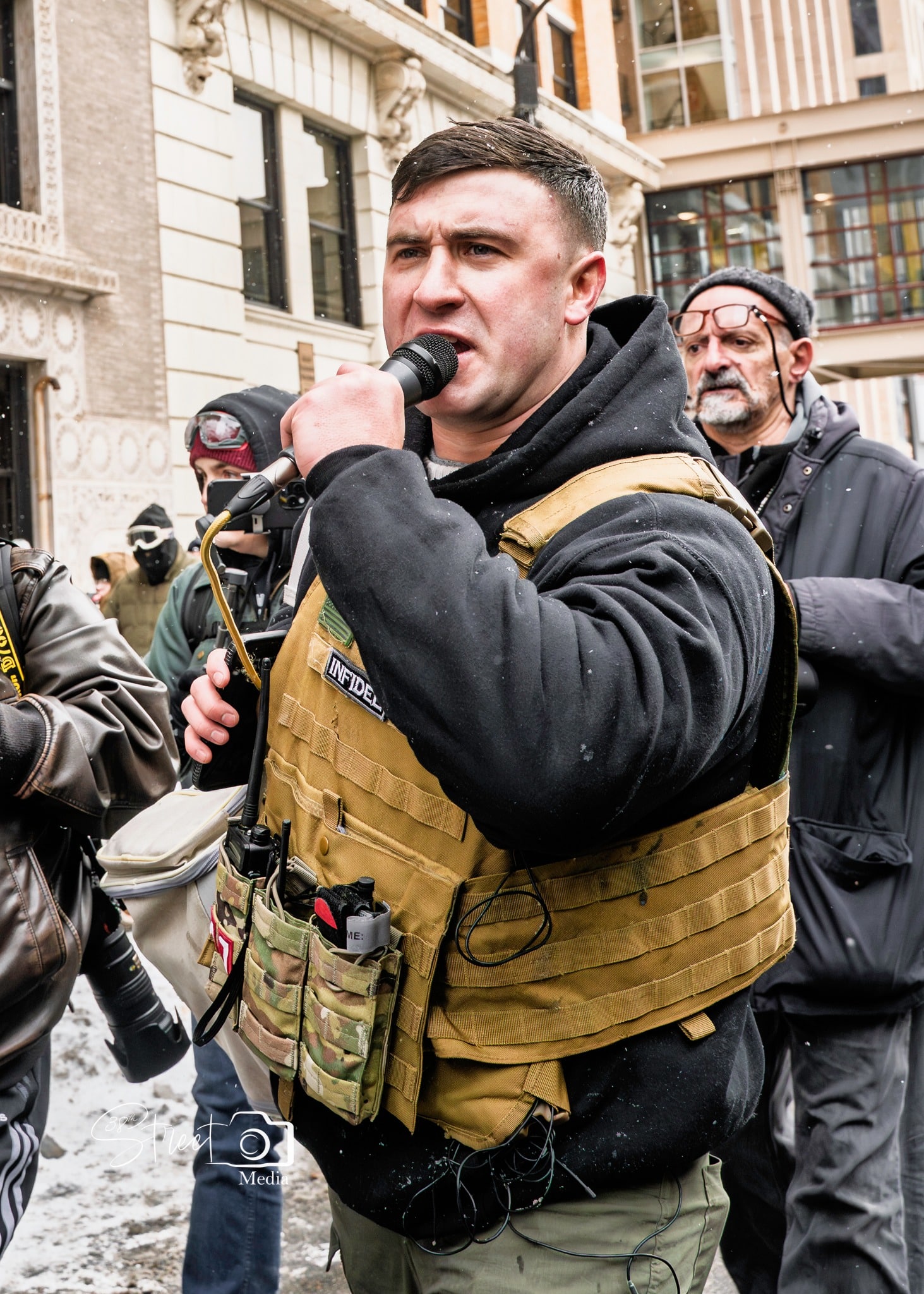
Expressed online as the “March Against Minnesota Fraud,” the event drew a small handful of right-wing supporters to Minneapolis City Hall. Jake Lang, a controversial figure with tens of thousands of followers who was pardoned for his role in the January 6 Capitol attack, promoted the rally as pro-ICE and anti-immigration, even threatening provocative acts that heightened local tensions. But when Saturday arrived, the turnout told a different story: Lang’s group numbered only a few supporters, while a much larger crowd of counter-protesters gathered to oppose them.


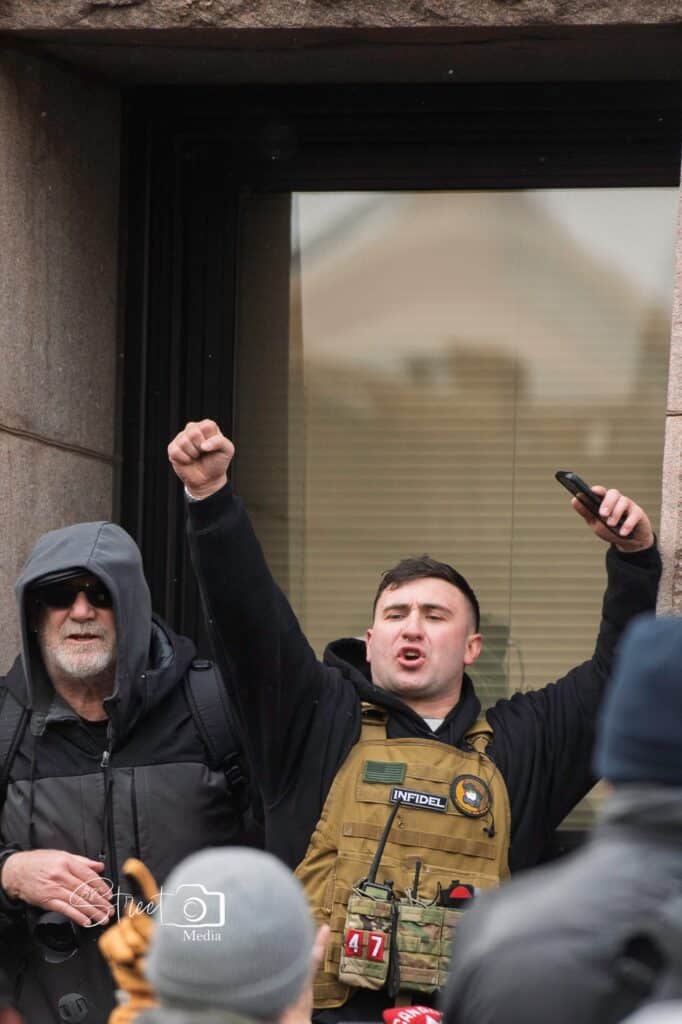
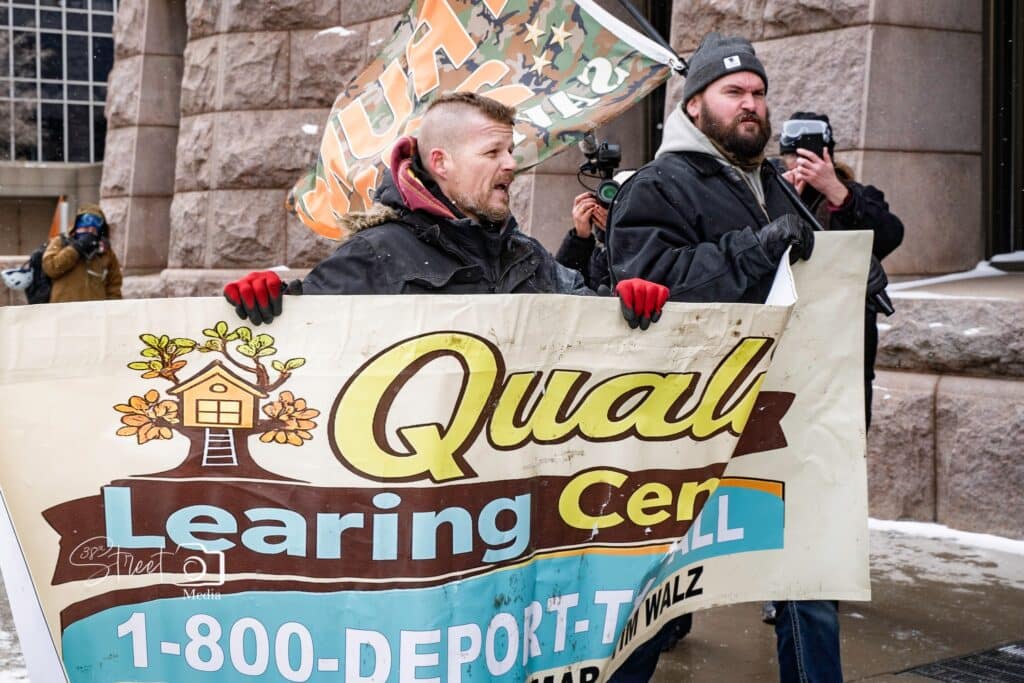
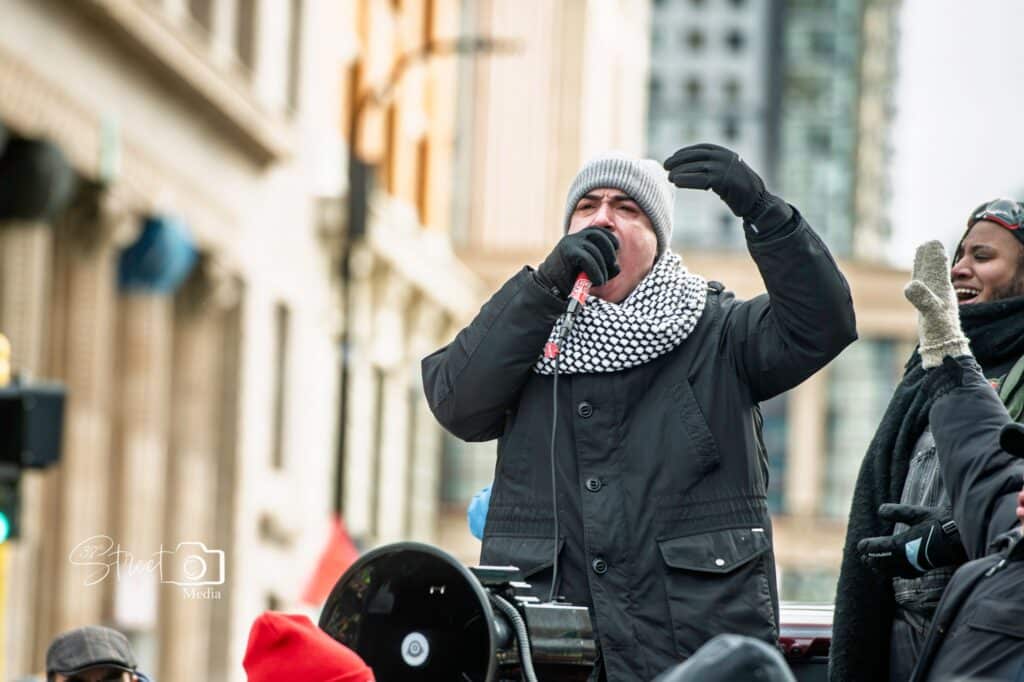
In the photos we captured that day, Lang is seen addressing the crowd, but barely two blocks into what he called an “almost two-mile hate march,” his small group didn’t make it far. This is where context matters most:
“Jake Lang’s almost two mile hate march of 8–12 supporters made it two blocks. Well known fact is Minnesota will stand up for their community. Minnesota loves freedom of speech, and not being free of the consequences. Jake and his followers are paid to go state to state creating chaos and then leave. 38th Street Media does not condone political violence.” - Shawn Valentine, Photojournalist
Capturing the Crowd: Emotion and Expression
What stands out most in the images isn’t just the tension, but the full range of emotion present on the streets:
-
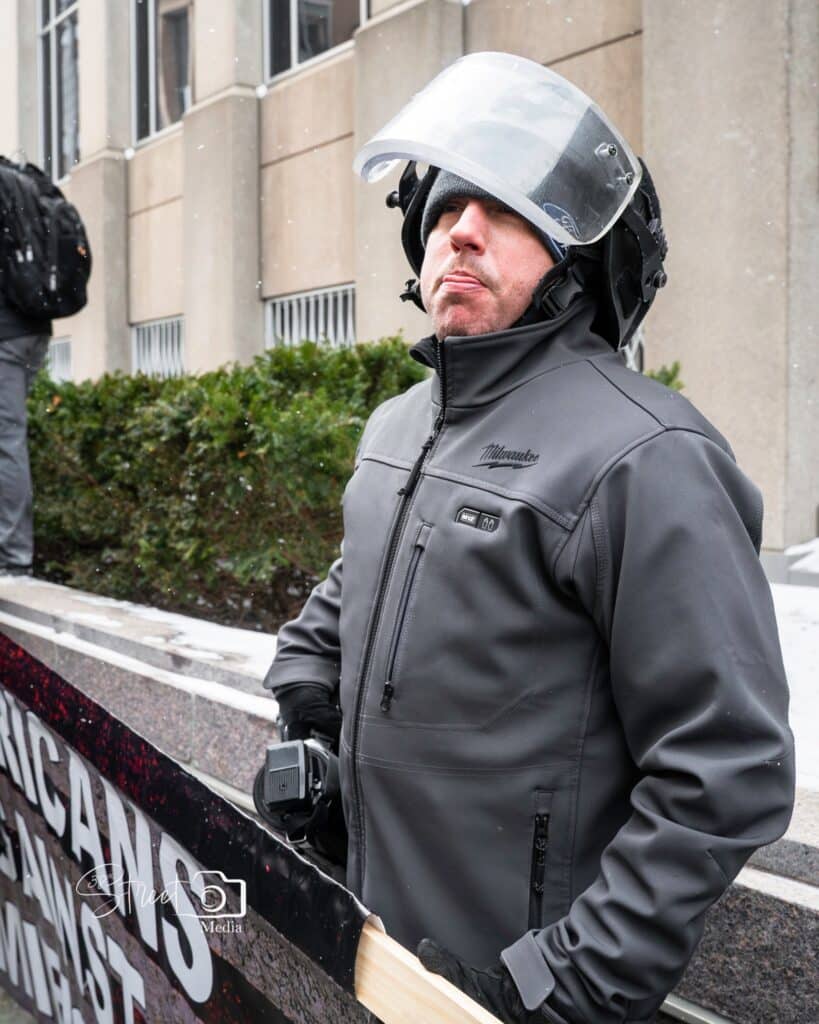
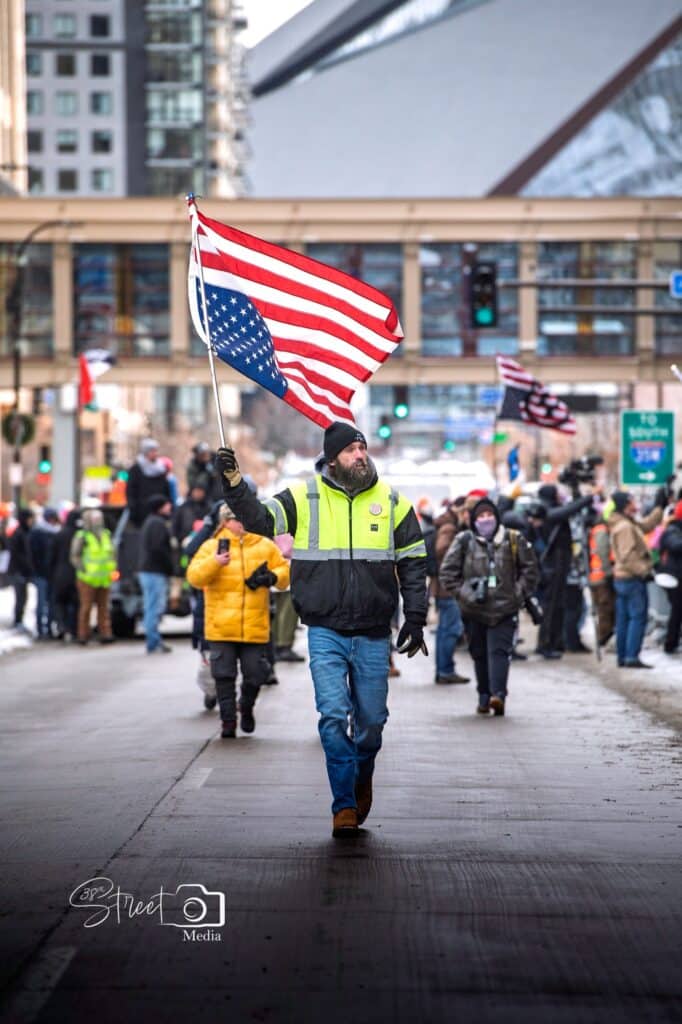
Pro-ICE and pro-immigration enforcement signs held firmly by Lang’s small group.
-
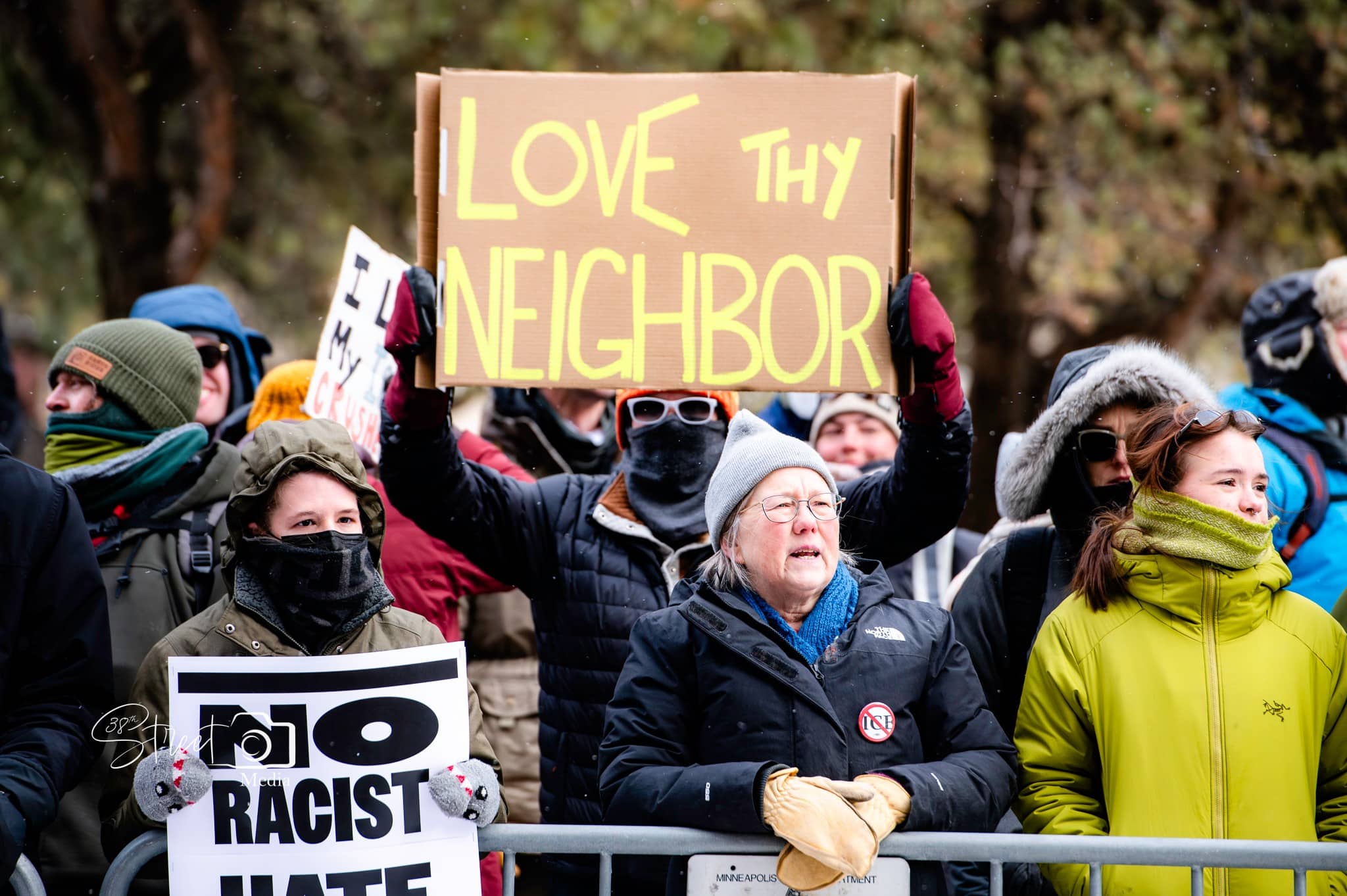
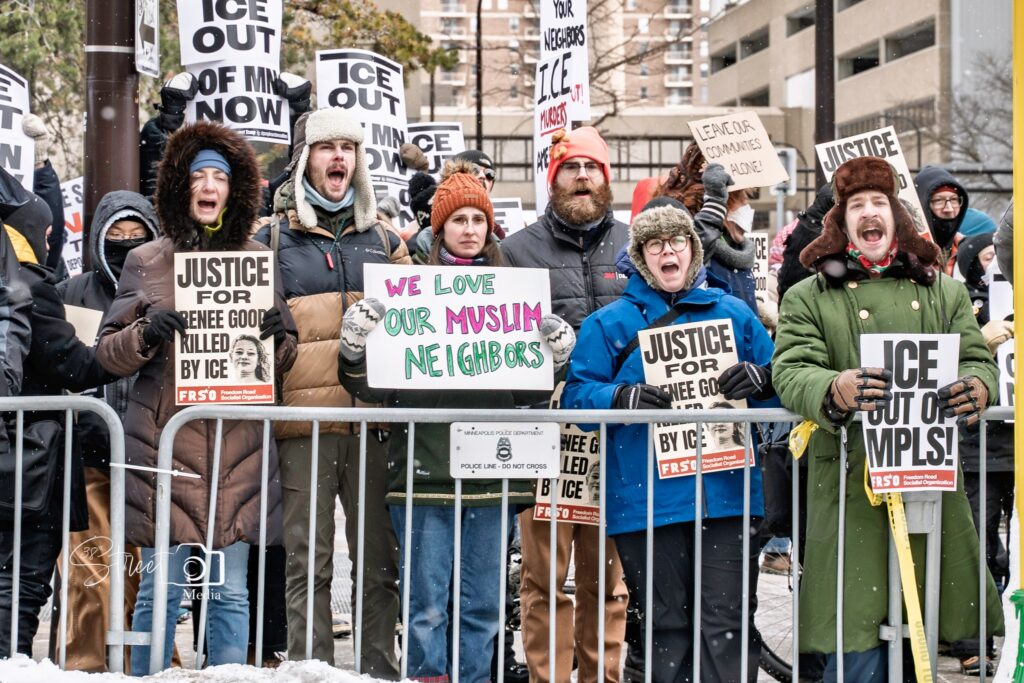
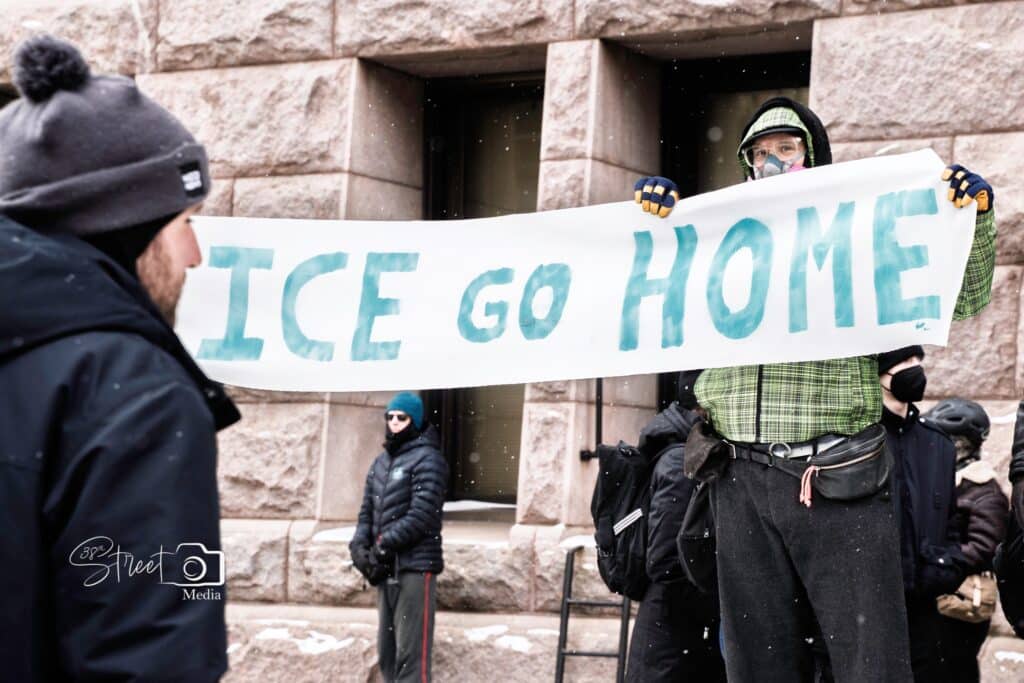
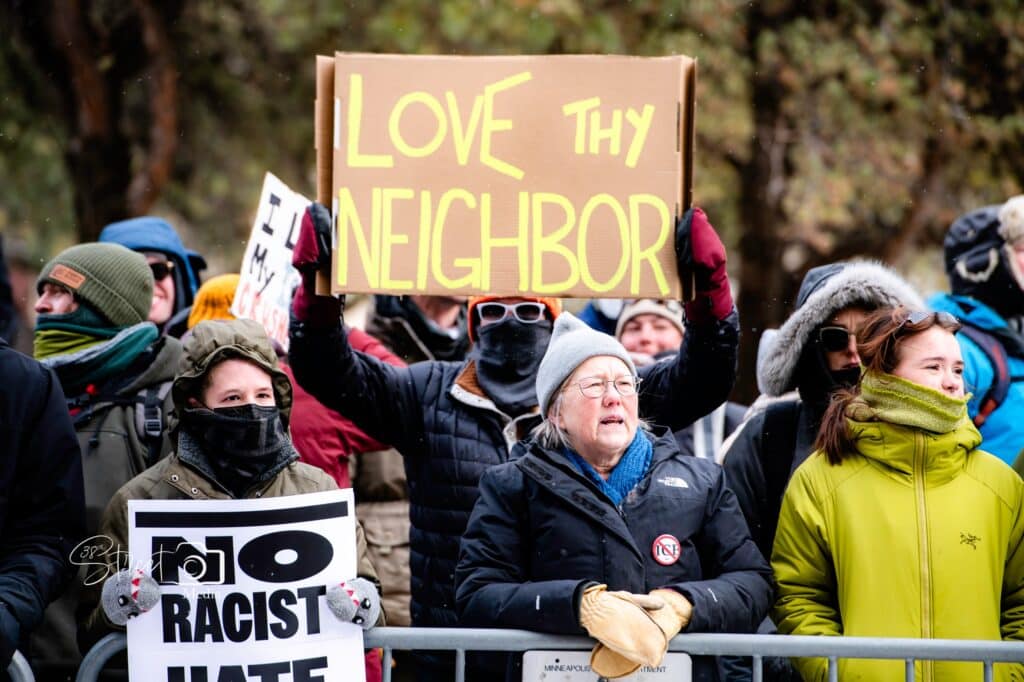
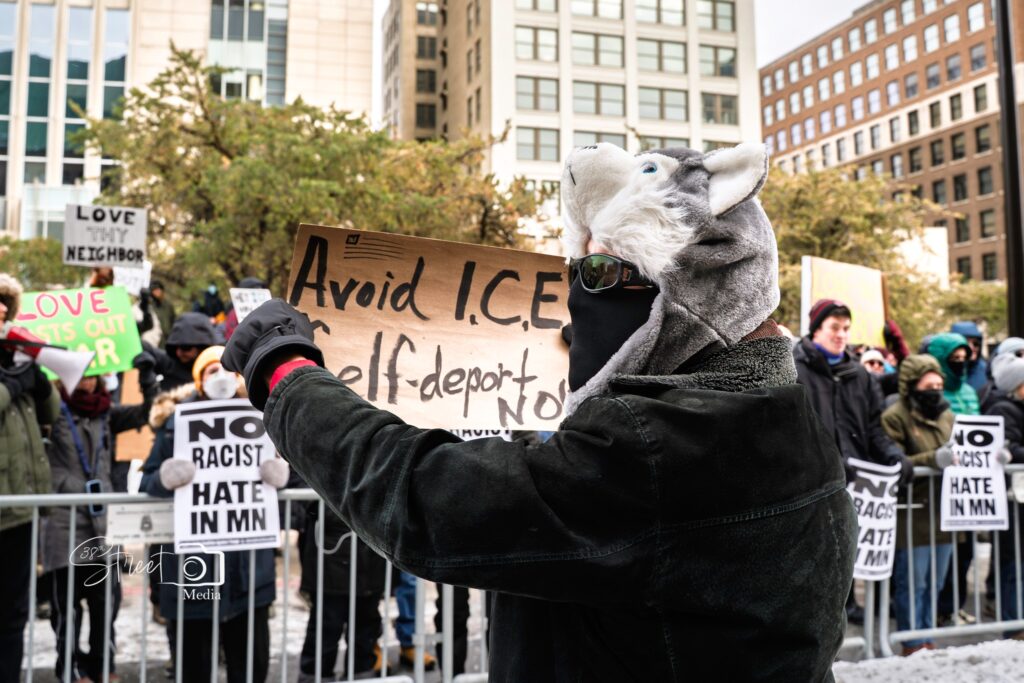
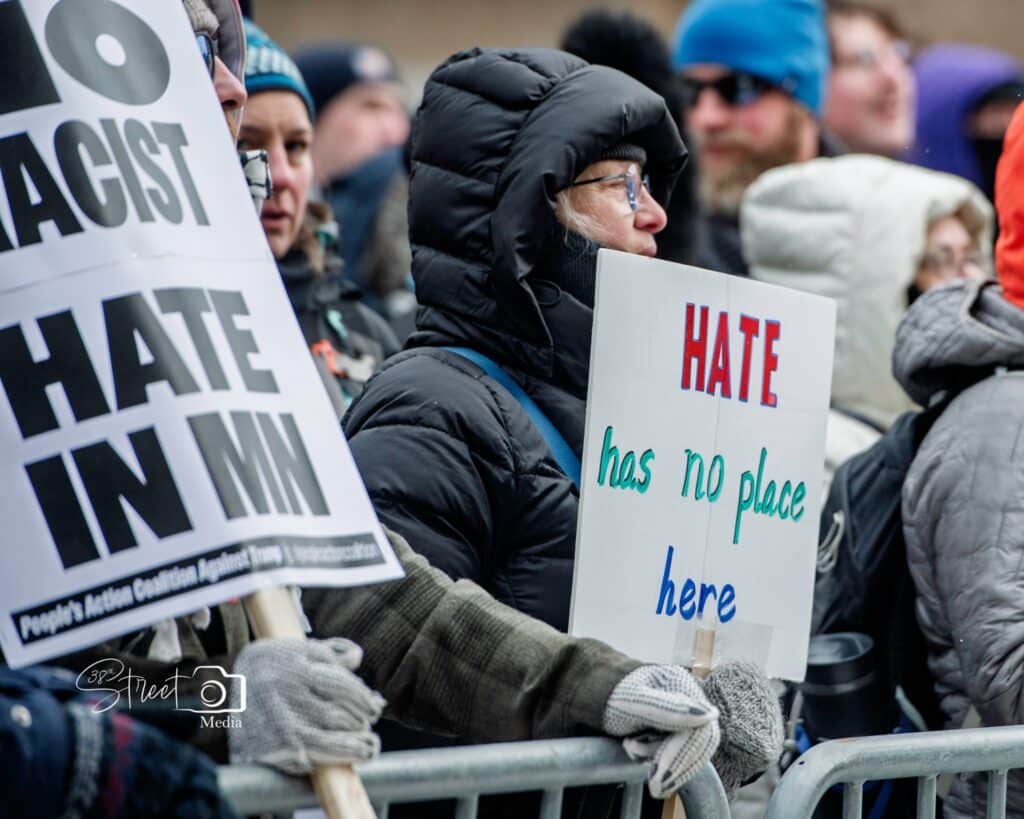
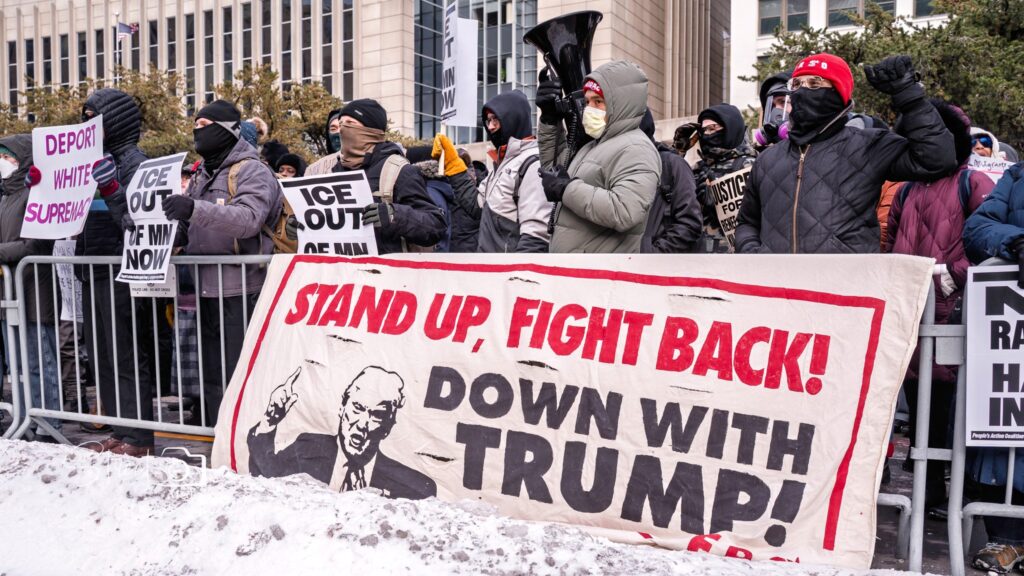
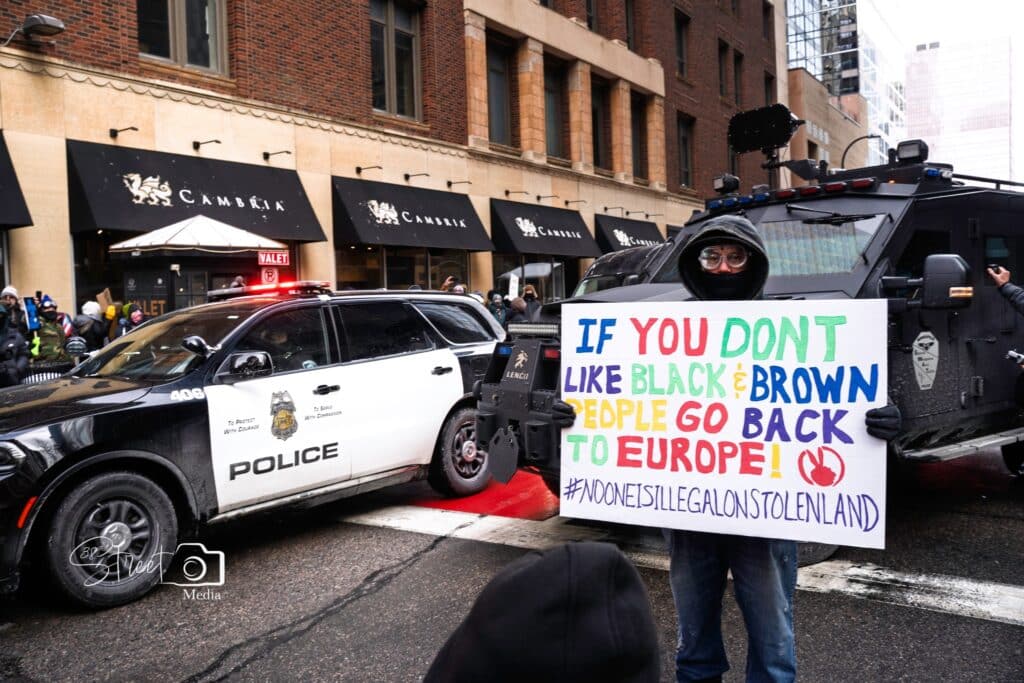
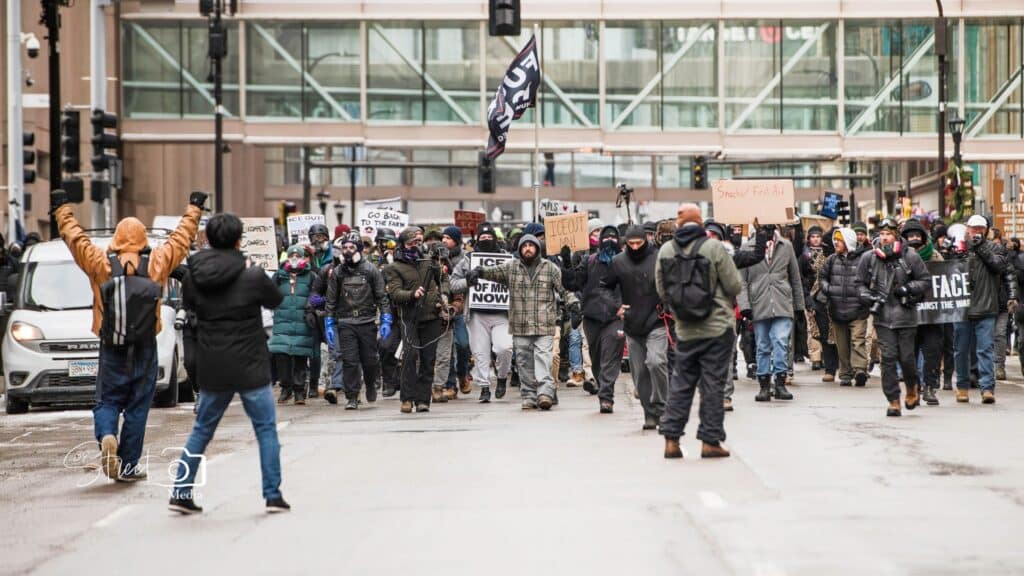
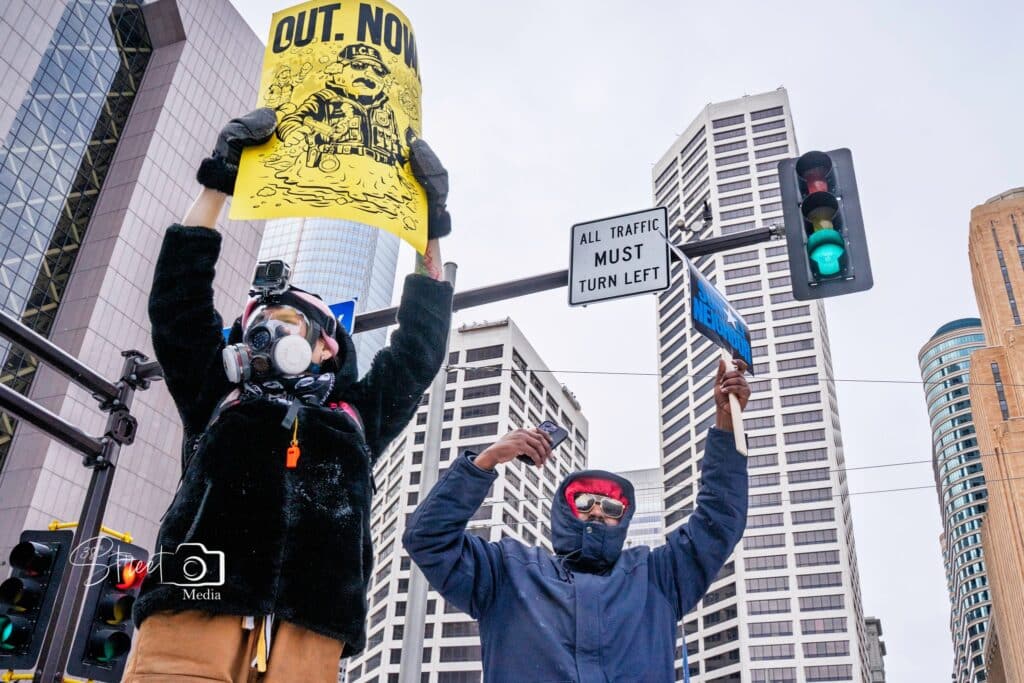
Anti-ICE signs and chants from hundreds of counter-protesters who outnumbered Lang’s supporters significantly.
-
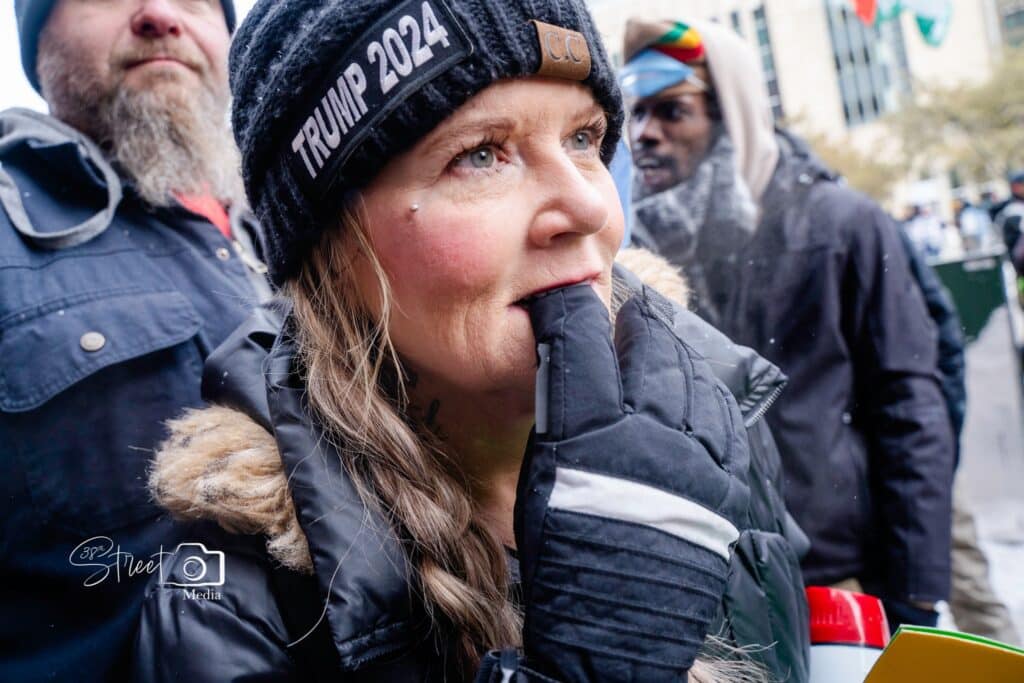
Spectators of all ages, from young adults to older community members, wrapped in winter jackets against the cold, but unwrapped in their expression of opinion.
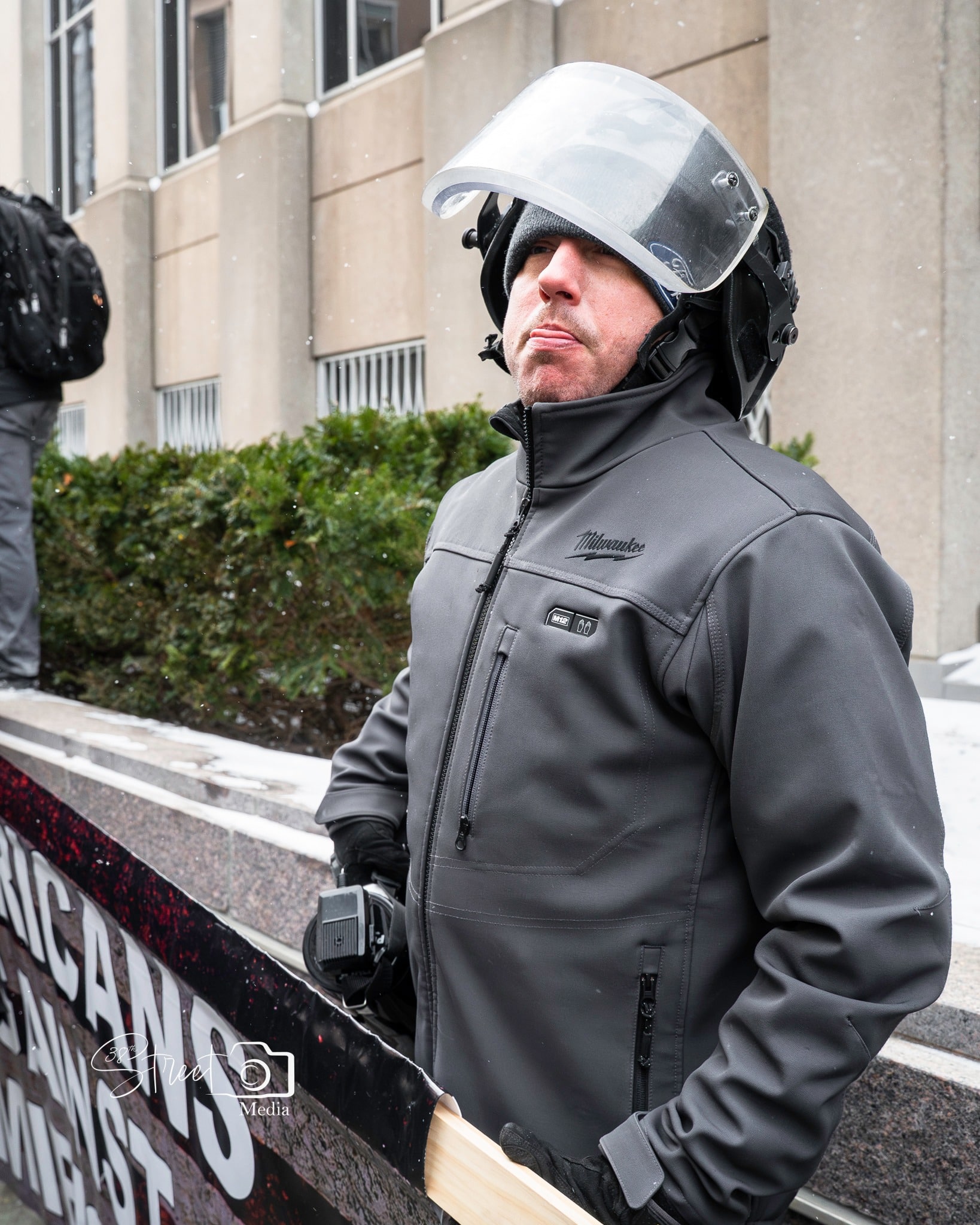
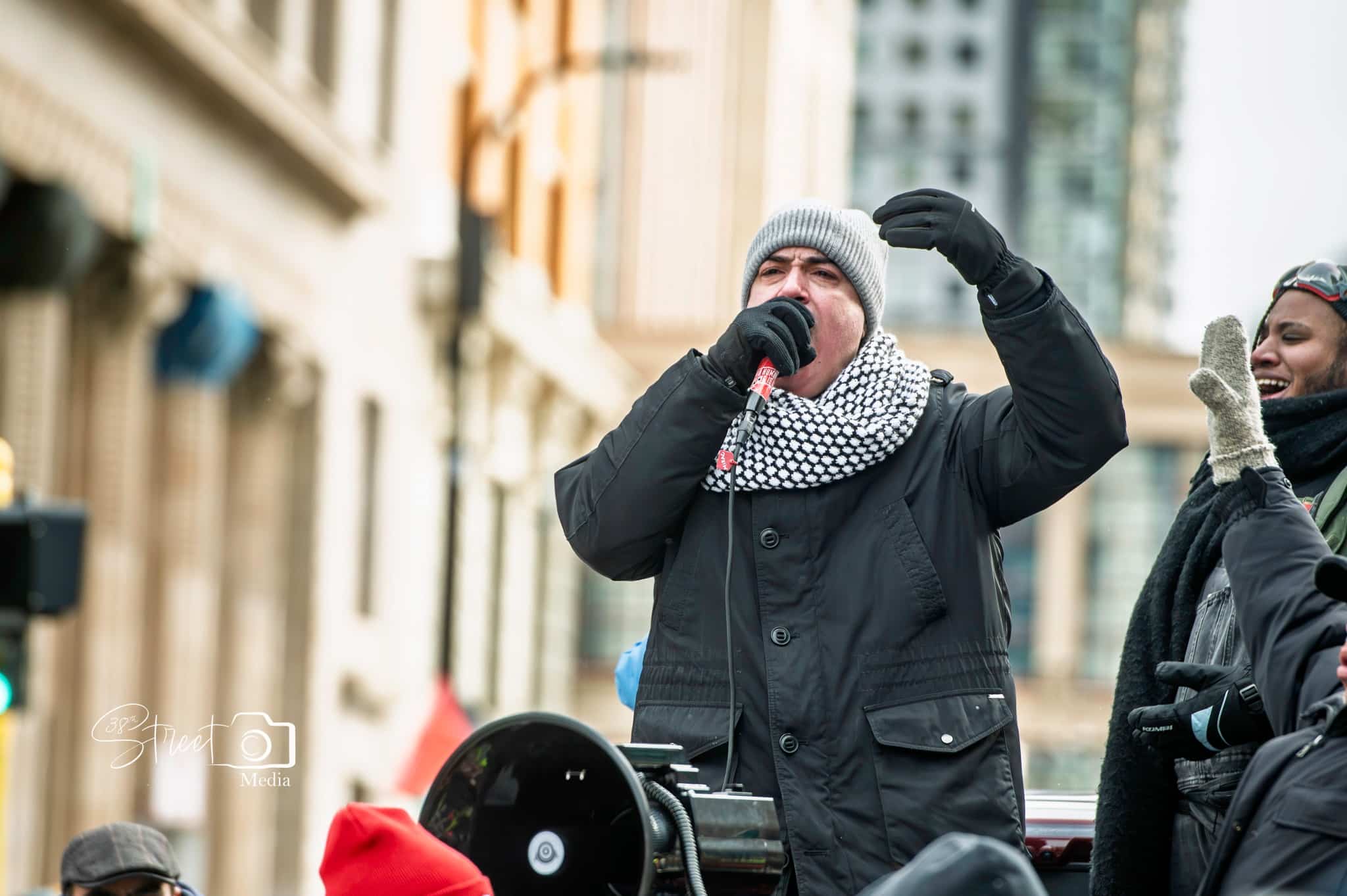
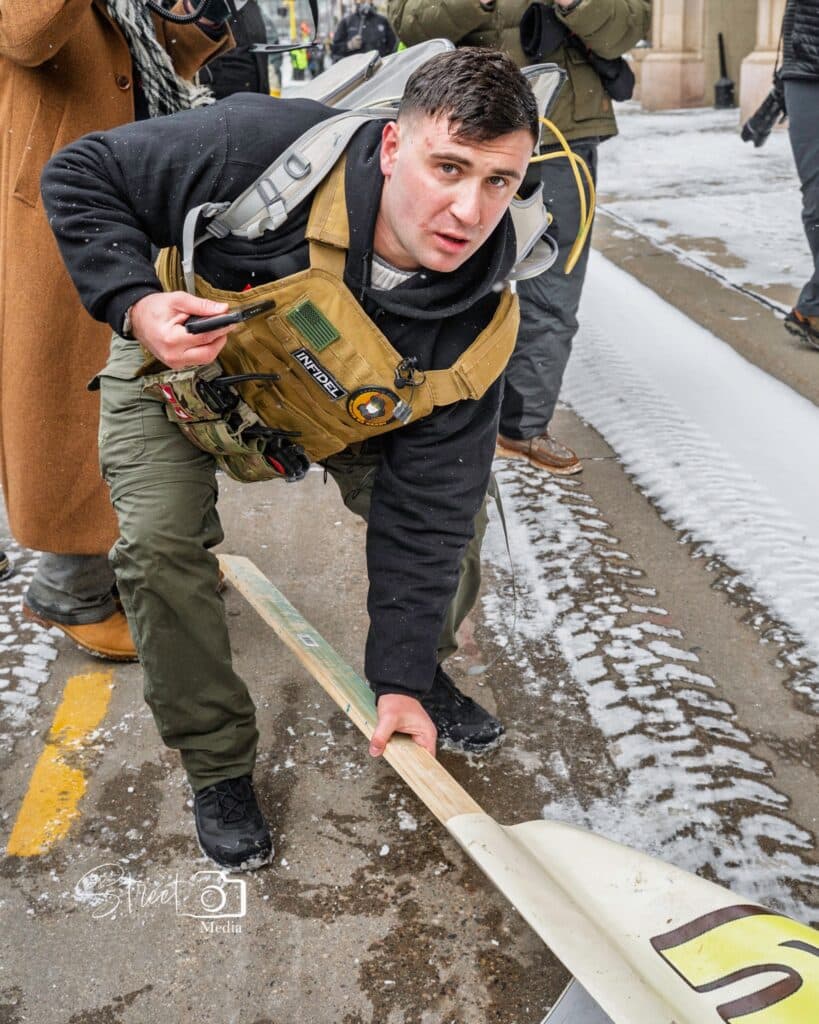
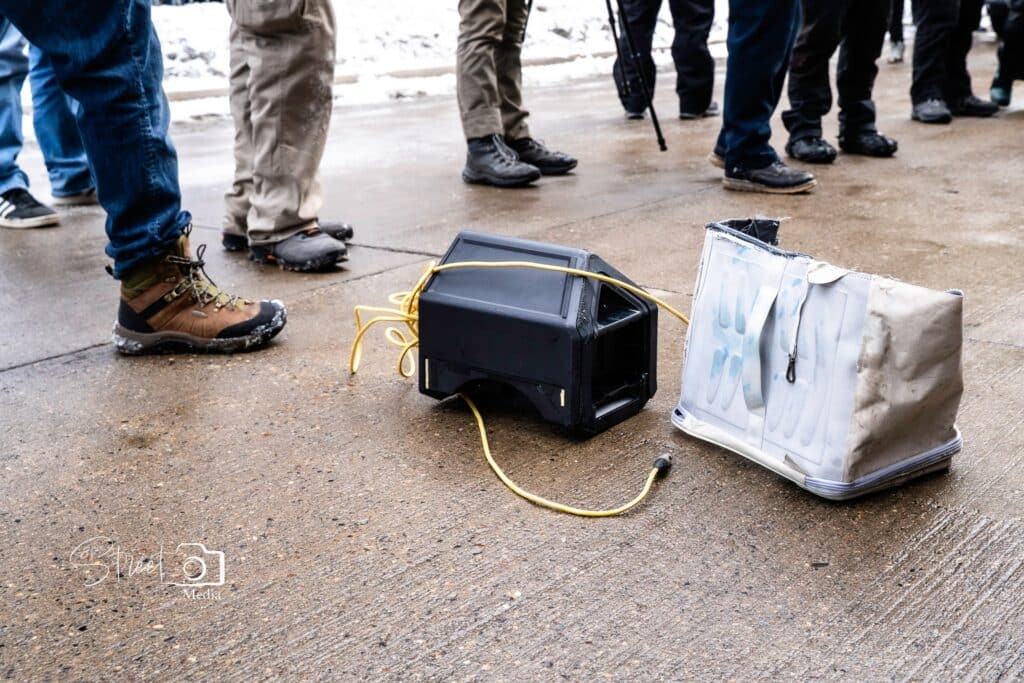
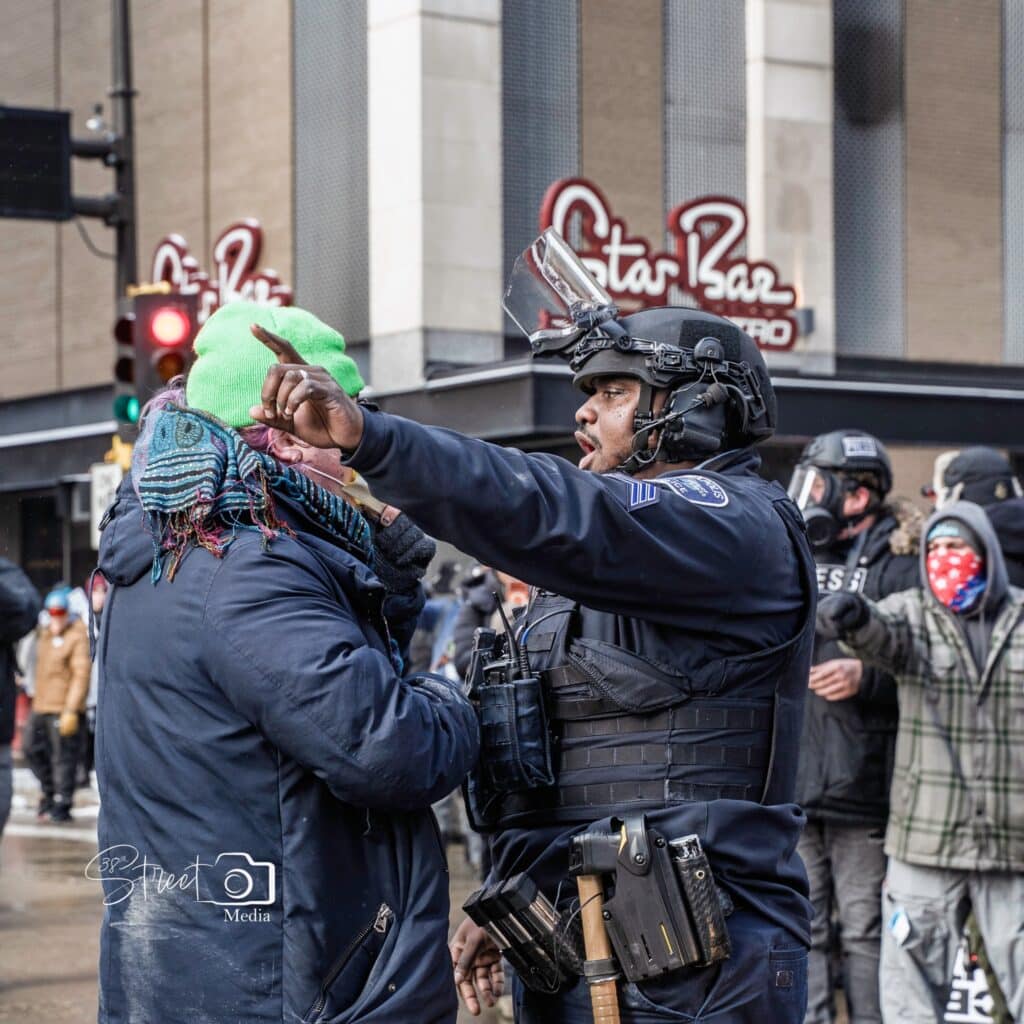
Some of the most visually striking photos include scenes that can only happen in a large crowd: opposing groups on adjacent sidewalks, megaphones raised in both directions, and sharp contrasts in demeanor — some faces smiling defiantly, others visibly showing anger or frustration. These images reflect the raw energy of civic engagement in a public square, not a curated stage.
Moments of Confrontation and Departure
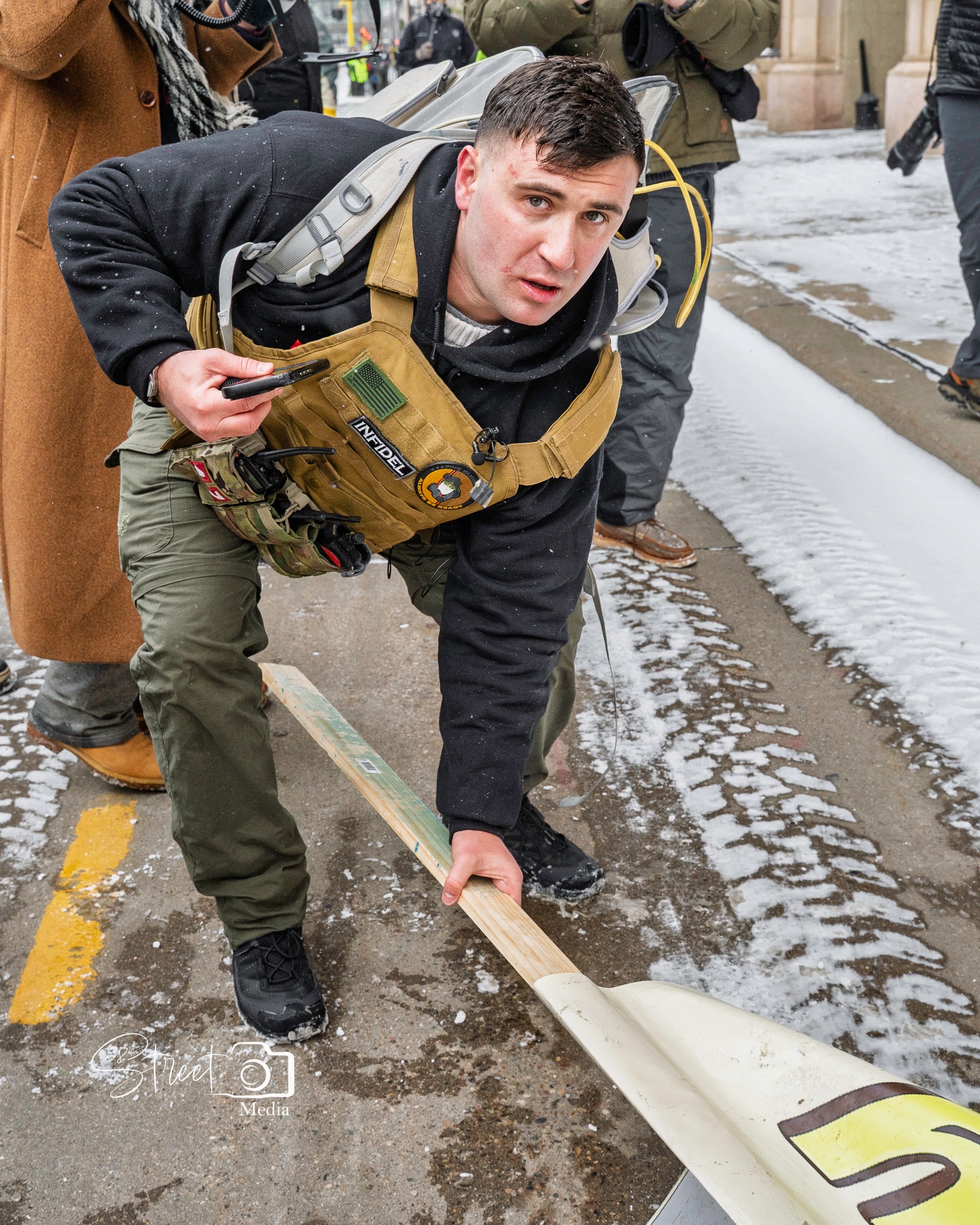
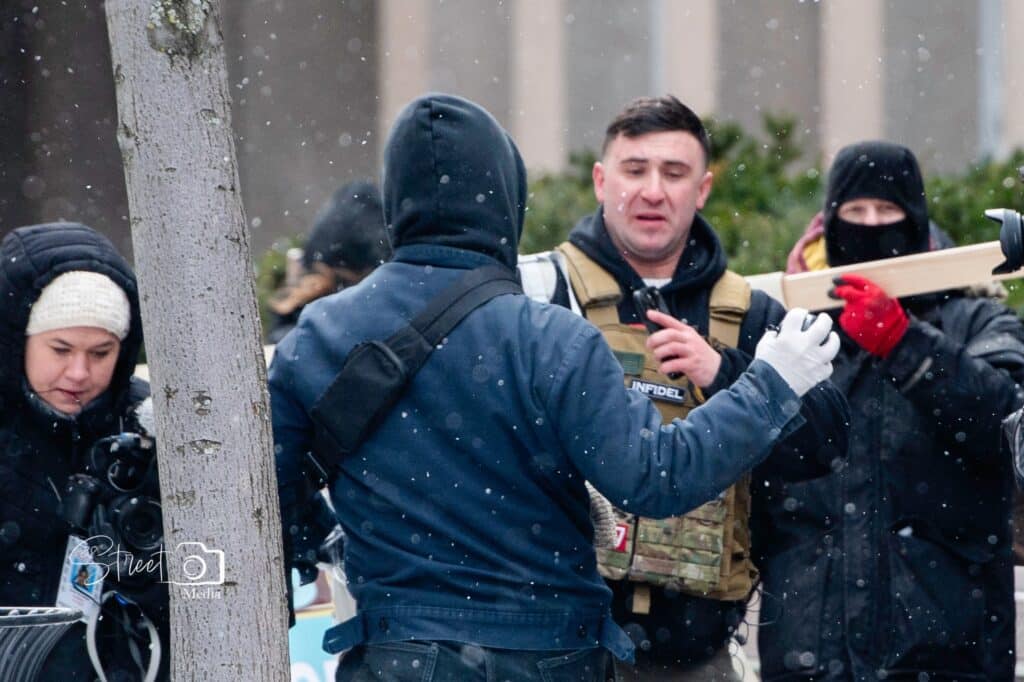
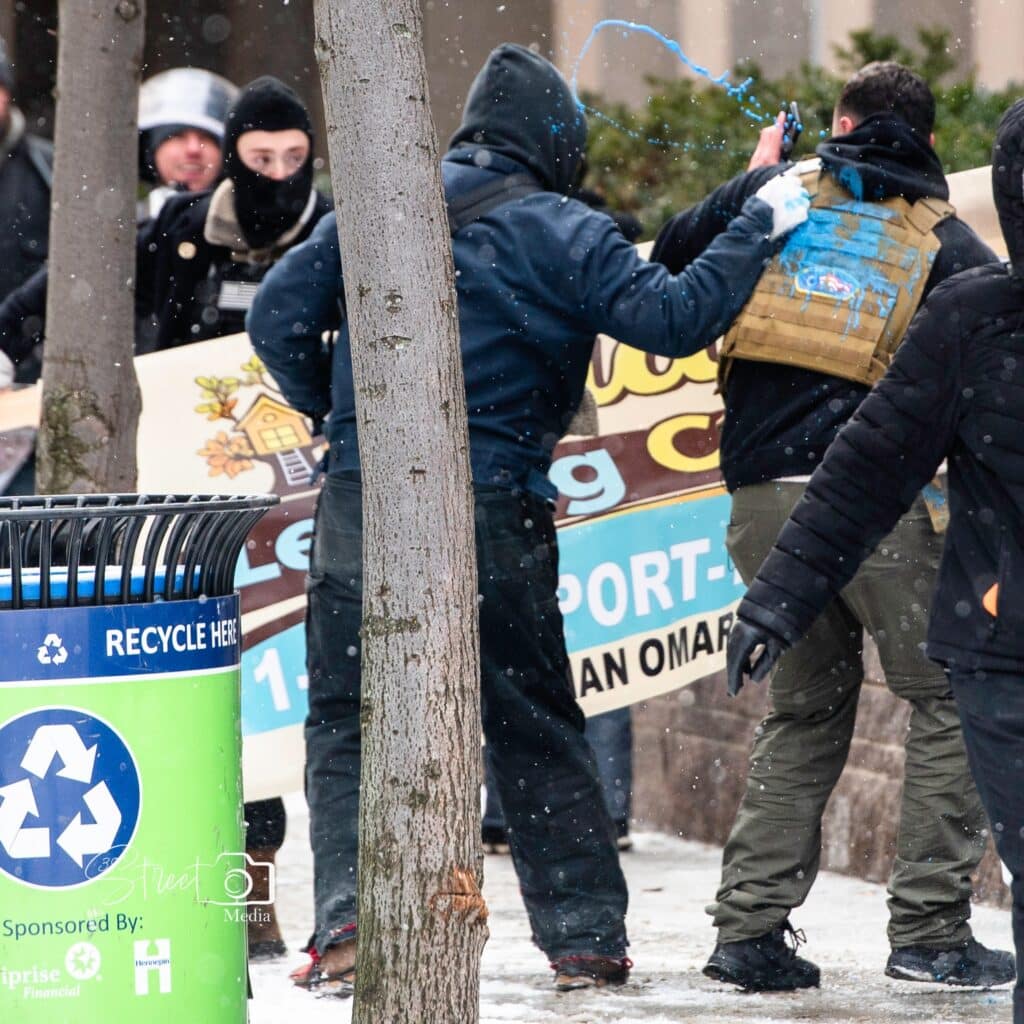
As the crowd gathered and voices rose, the event shifted rapidly. A significant number of counter-protesters dominated the public space, eventually surrounding the smaller group and making it difficult for Lang and his supporters to continue. Reports from multiple news outlets described a scene where Lang appeared to be pushed back by the larger crowd and ultimately left the area. (The Telegraph)
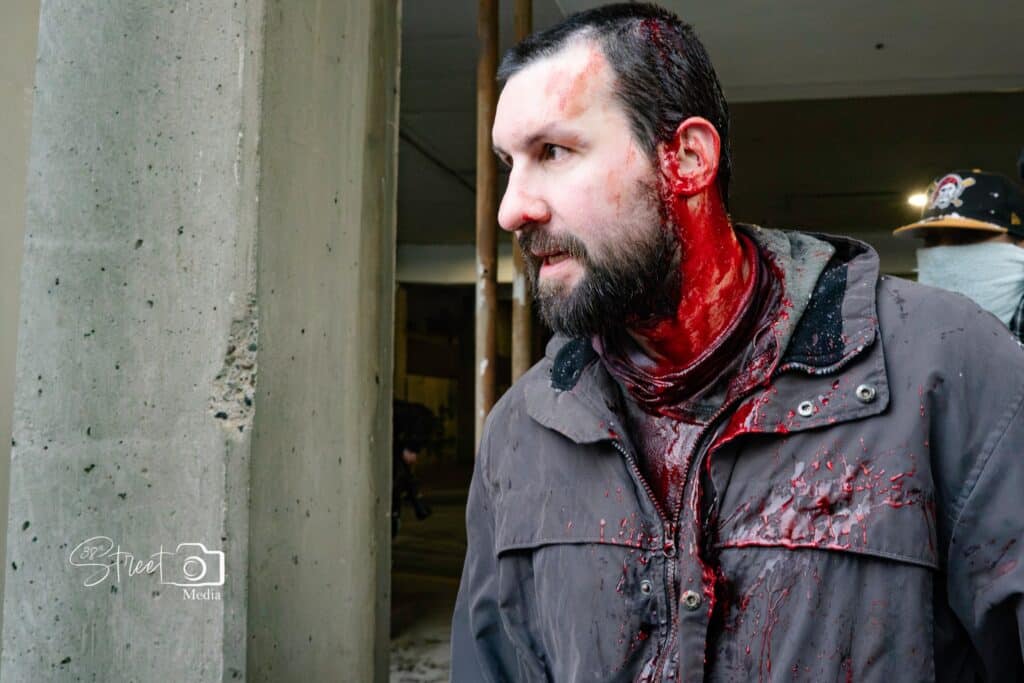
Photographs from the scene show Lang with visible marks of the day — a head injury he later claimed was from being stabbed, though that account could not be independently verified by police at the time. What our images do show clearly are the reactions of the crowd — both the support for counter-protest messages and the complex, human mix of intensity, solidarity, and protest that defined the event.
Photojournalism That Reflects Reality
Covering public demonstrations is a core part of documentary photography because these events are living records of community sentiment. On January 17, Minneapolis was a place where voices met voices, feet met streets, and camera lenses met history in motion.
As photojournalists, our job is to capture, not to judge. The images from this Saturday reflect:
-
A contested space of protest and counter-protest
-
Emotional expression from a diverse crowd
-
The unpredictable movement of a public demonstration
-
A visual document of civic dialogue in real time
Why It Matters
Public protests and political demonstrations are essential expressions of a democratic society. Photographing them preserves history in a way that text alone cannot. Through our lens, viewers can feel the ambient tension, opposing views, and community response that defined this Minneapolis protest.







Support On-the-Ground Journalism
Covering events in real time requires resources: time, equipment, travel, and safety planning. If you believe in the importance of independent photojournalism and community-centered reporting, consider making a donation to support continued on-the-ground coverage.
Your support helps ensure that stories like this are documented—not filtered, not erased, and not forgotten.