
From the beginning of the day, one phrase echoed through the streets:
“ICE Out For Good.”
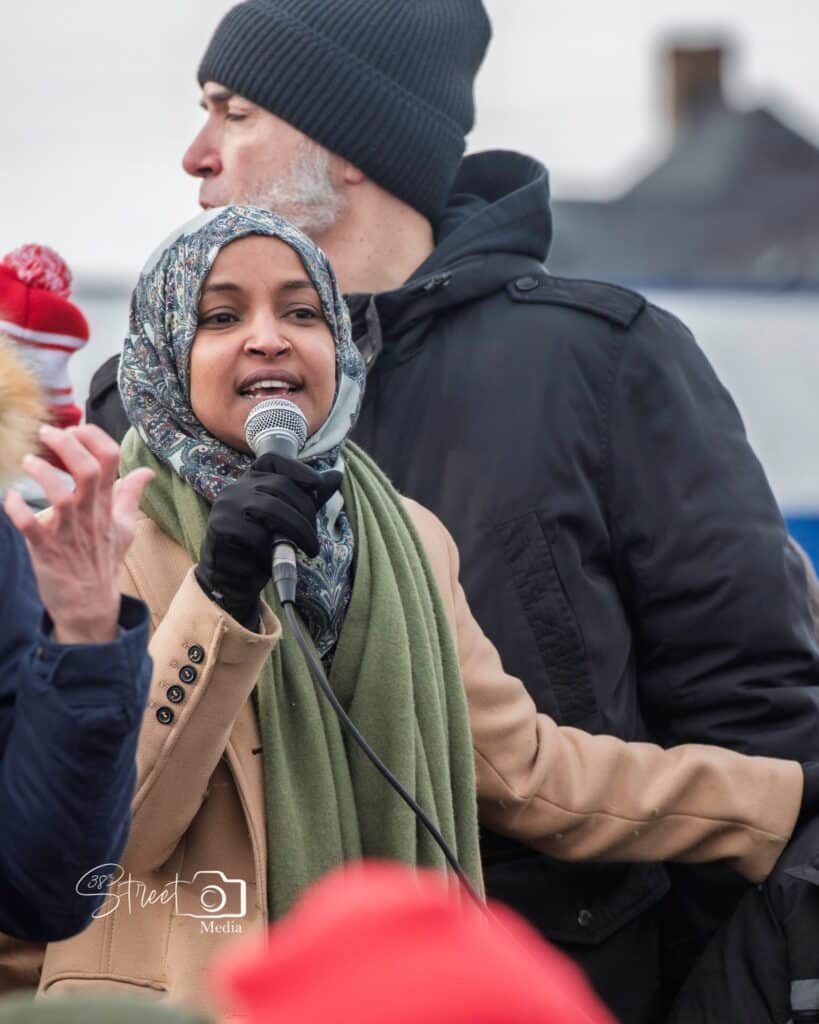
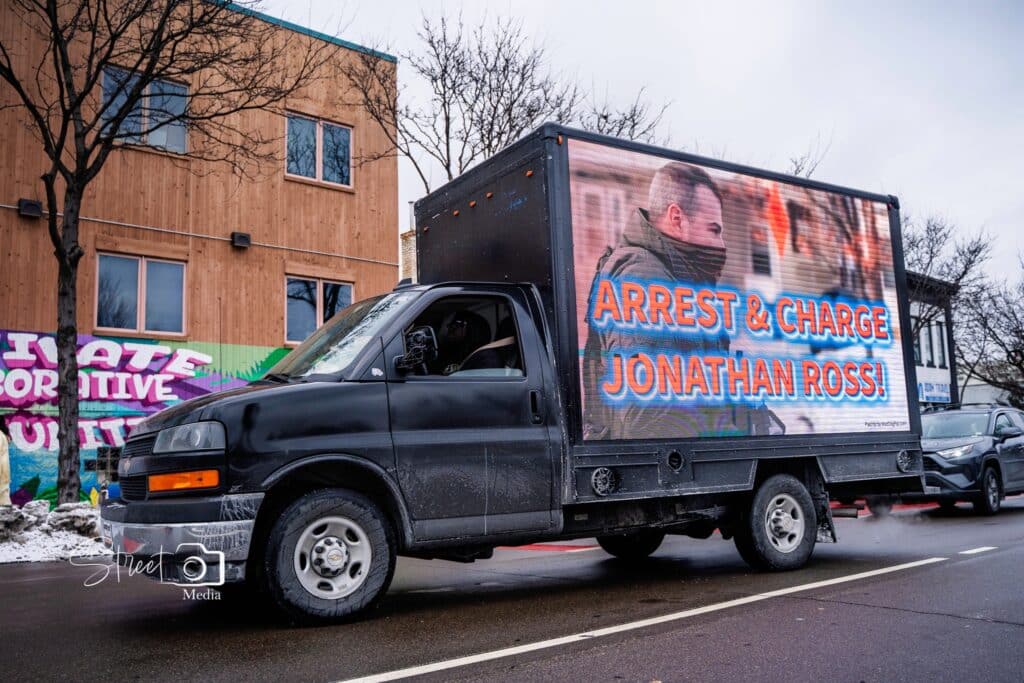
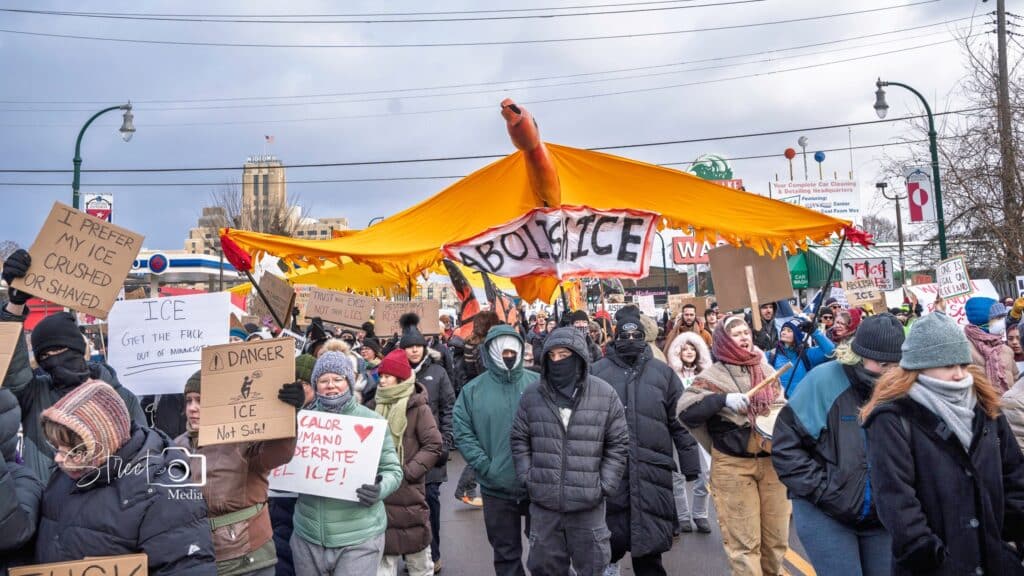
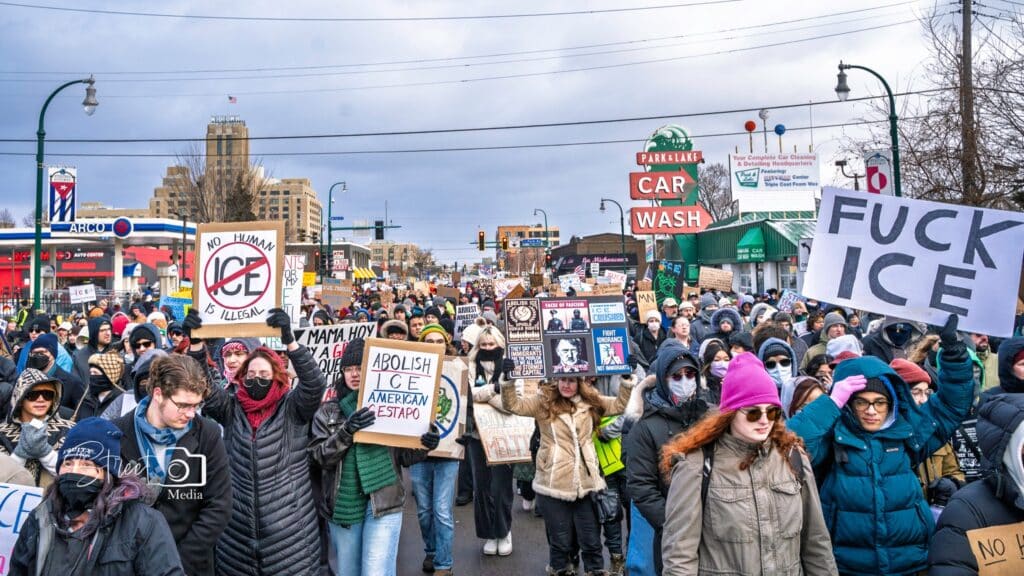
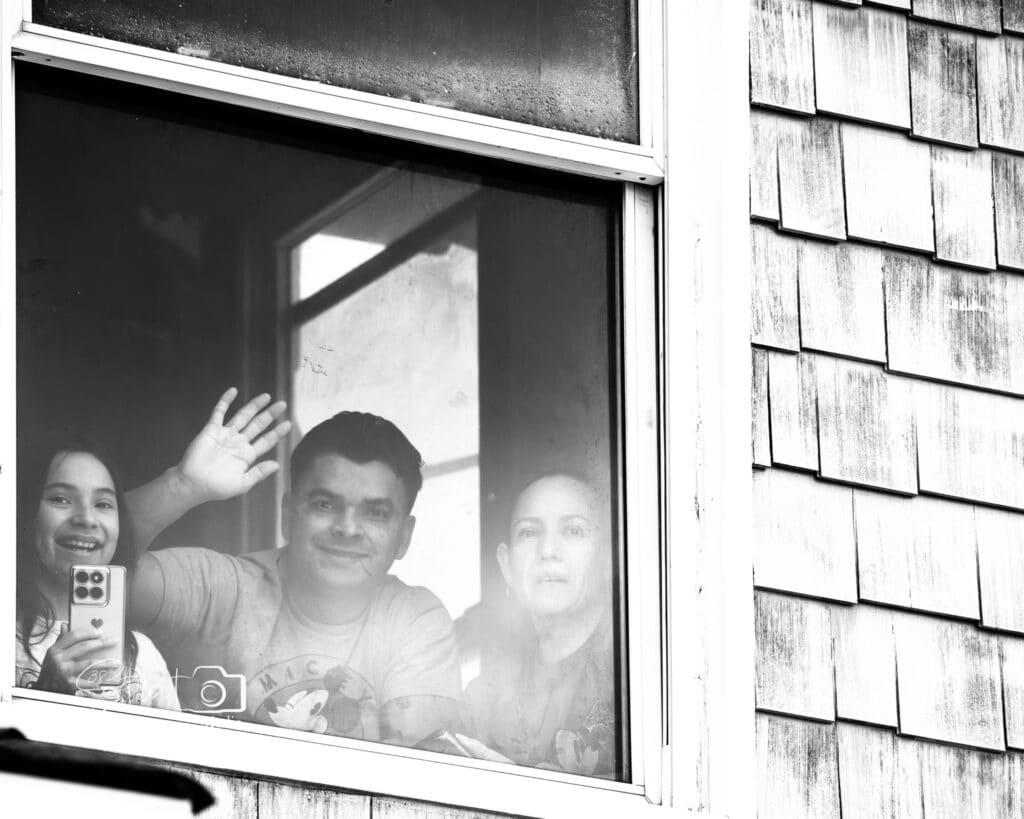
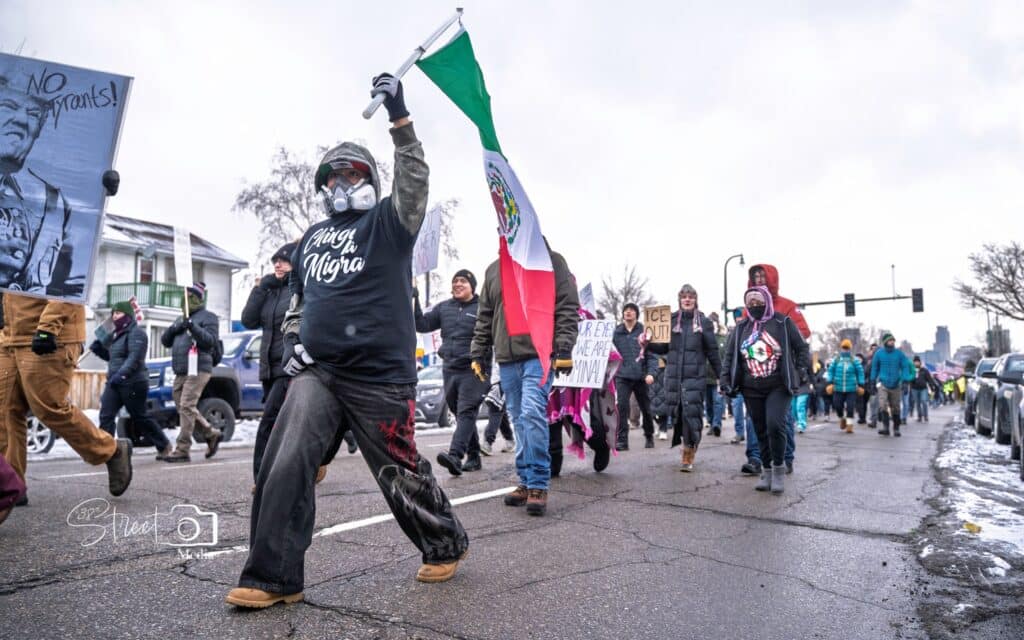
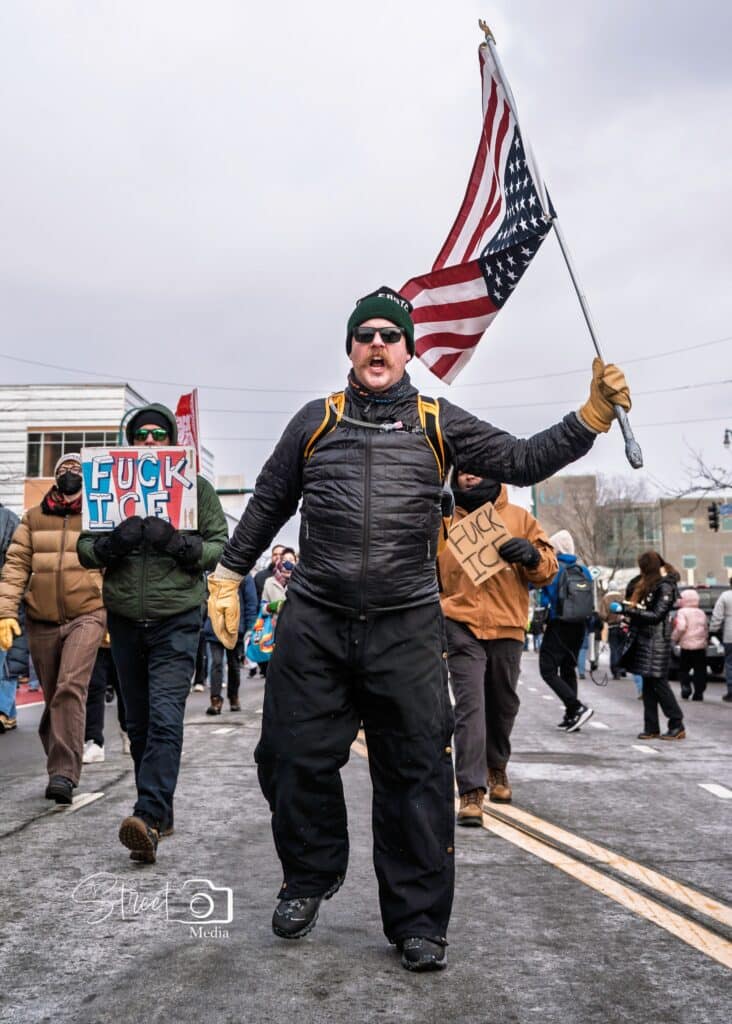
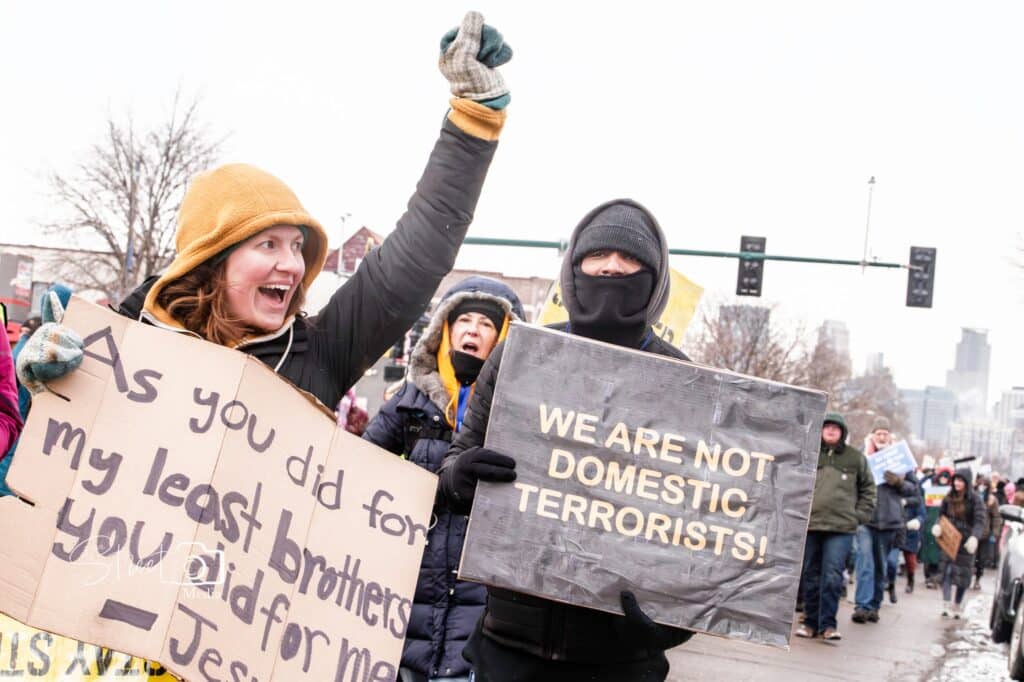
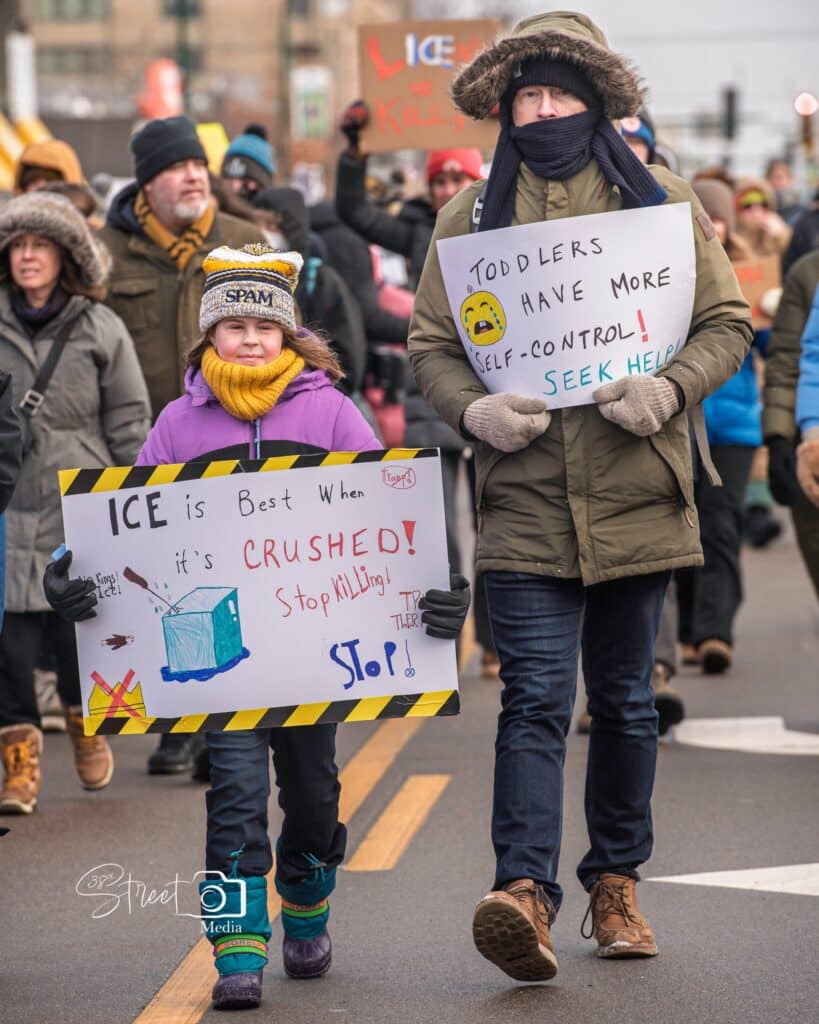
Protesters gathered from neighborhoods and nearby communities, spanning all ages, children bundled in winter coats, adults with handmade signs, elders holding flags, and activists chanting in the cold. Their message was unmistakable: Minnesota rises up in defense of its own, and in opposition to federal immigration enforcement tactics they see as violent and unjust.
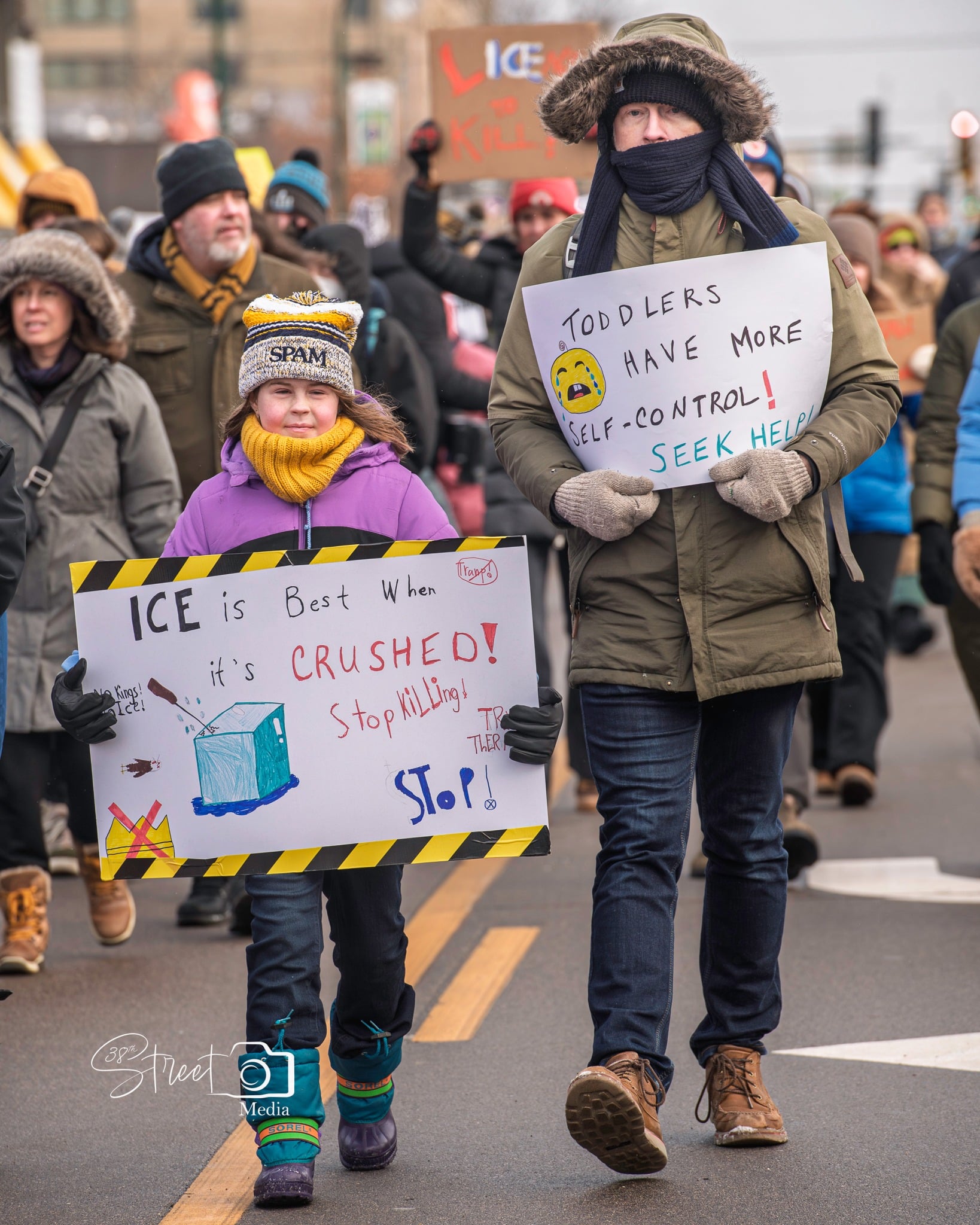
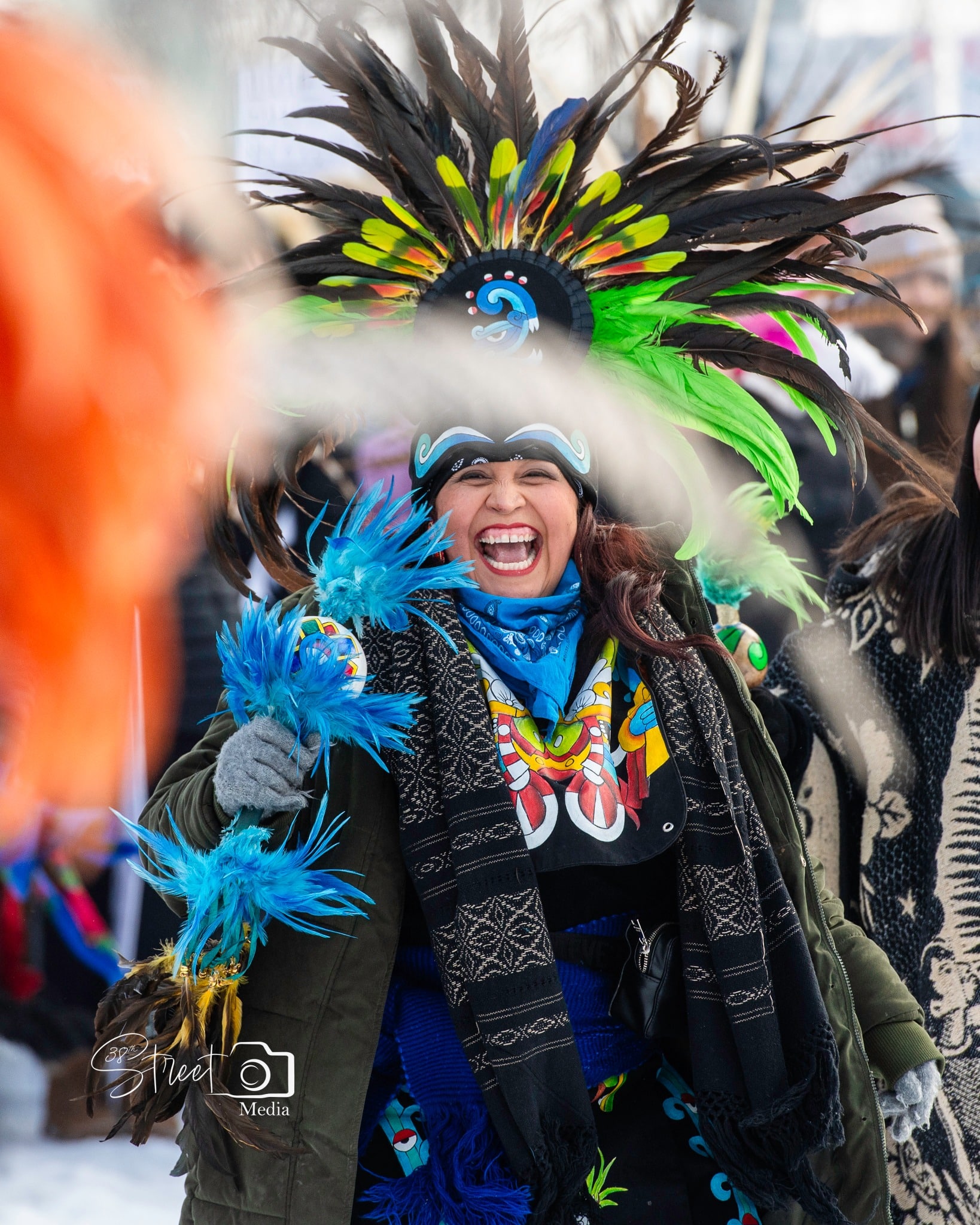
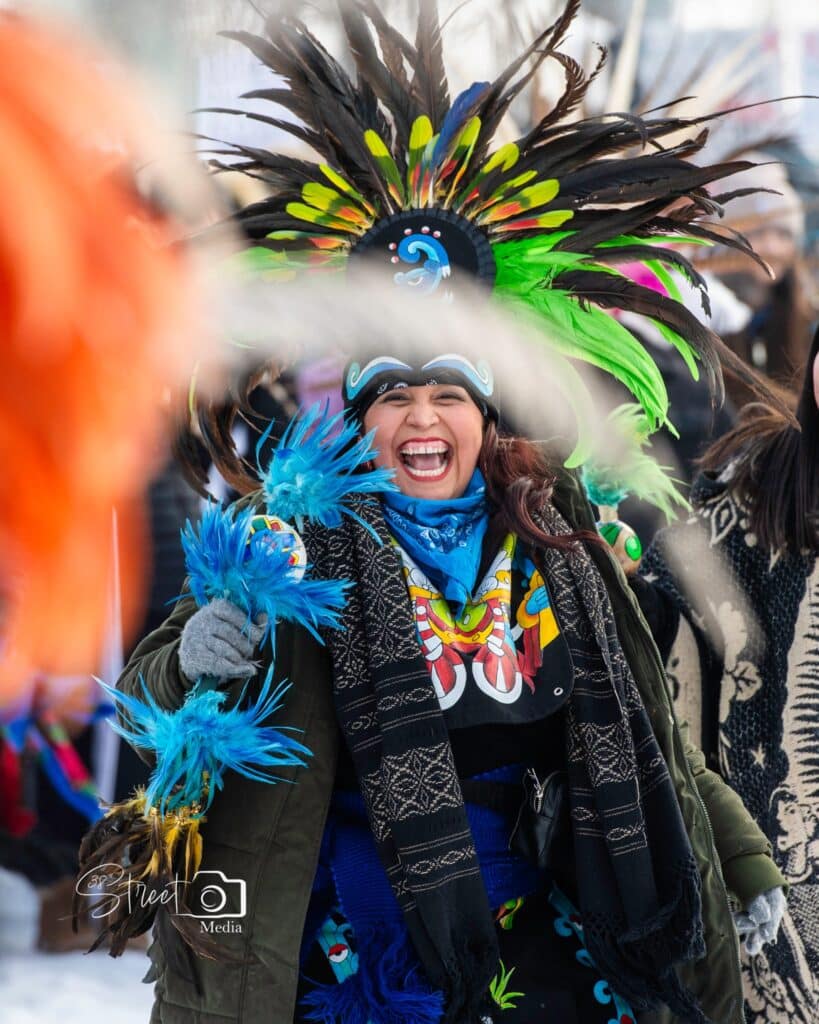
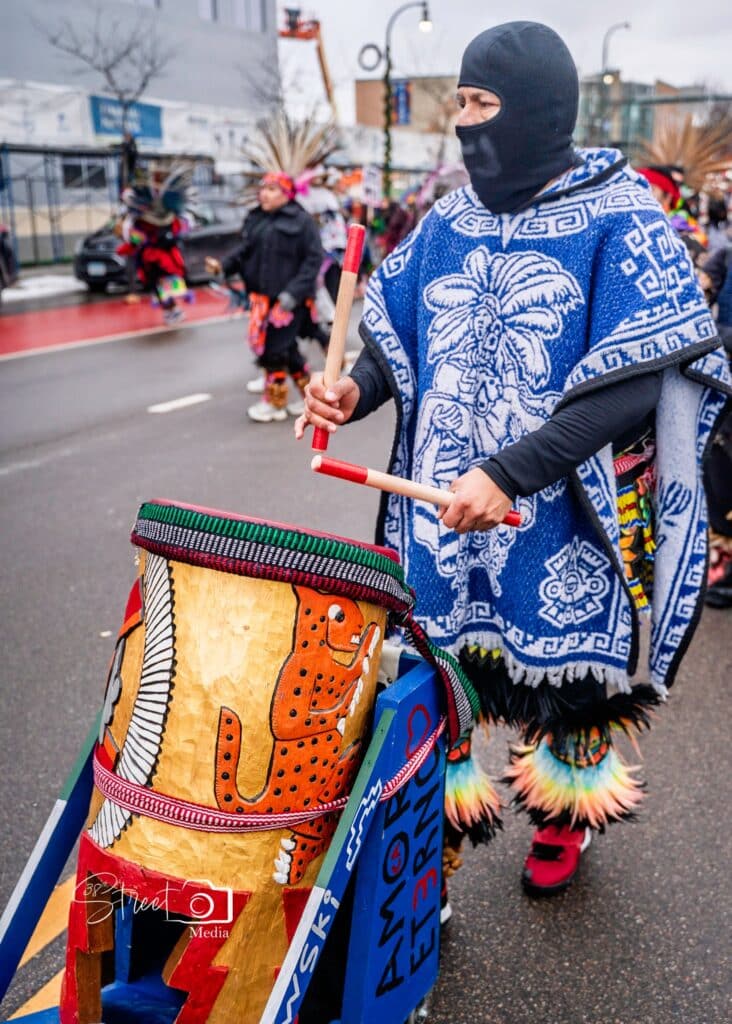
The march carried music, rhythm, and a blend of emotion you rarely see in a single event.
-
Joy and resistance side by side
-
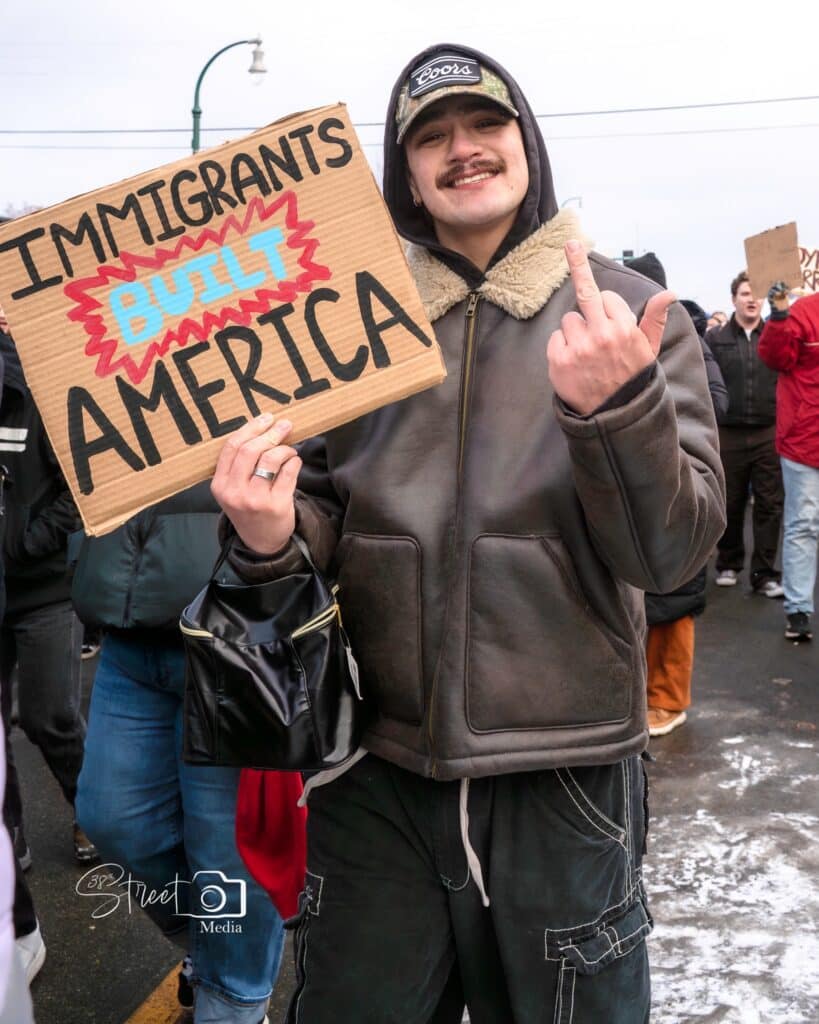
Smiles of encouragement worn with passion
-
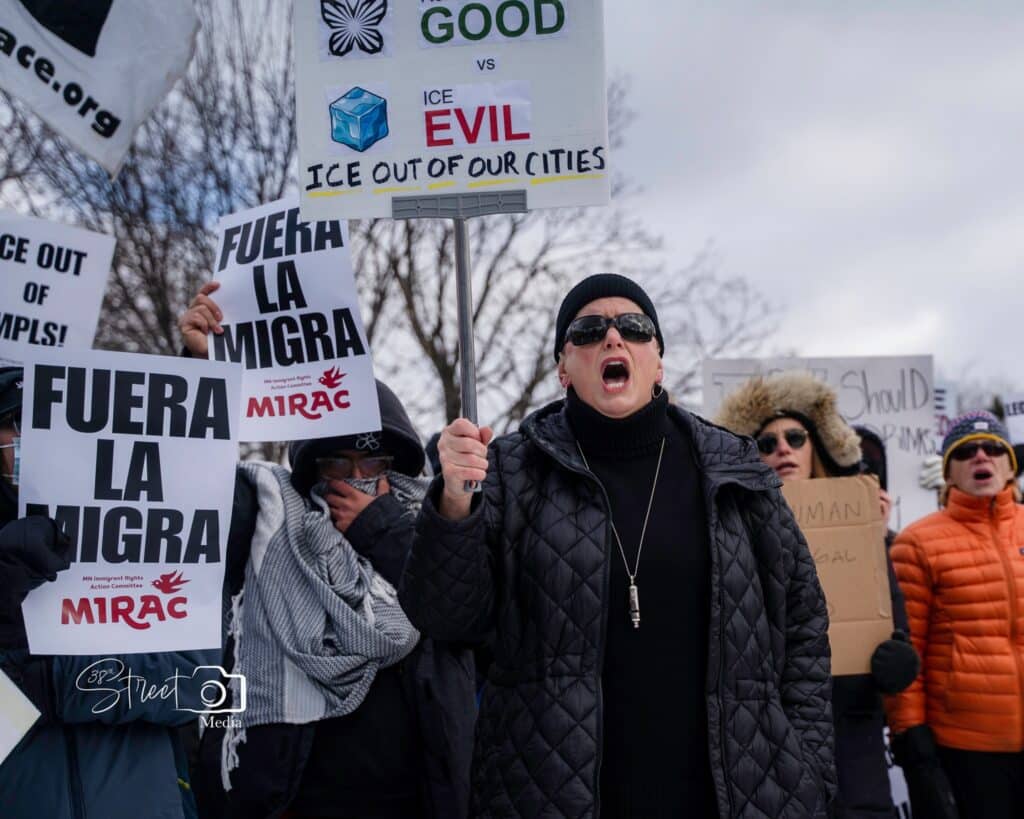
Anger and frustration visible in voices raised at the front lines
These weren’t staged moments. These were lived, unfiltered, and human. And that’s what makes protest photography so important: it captures what it felt like to be there, not just what it looked like.
Signs, Symbols, and Shared Belief
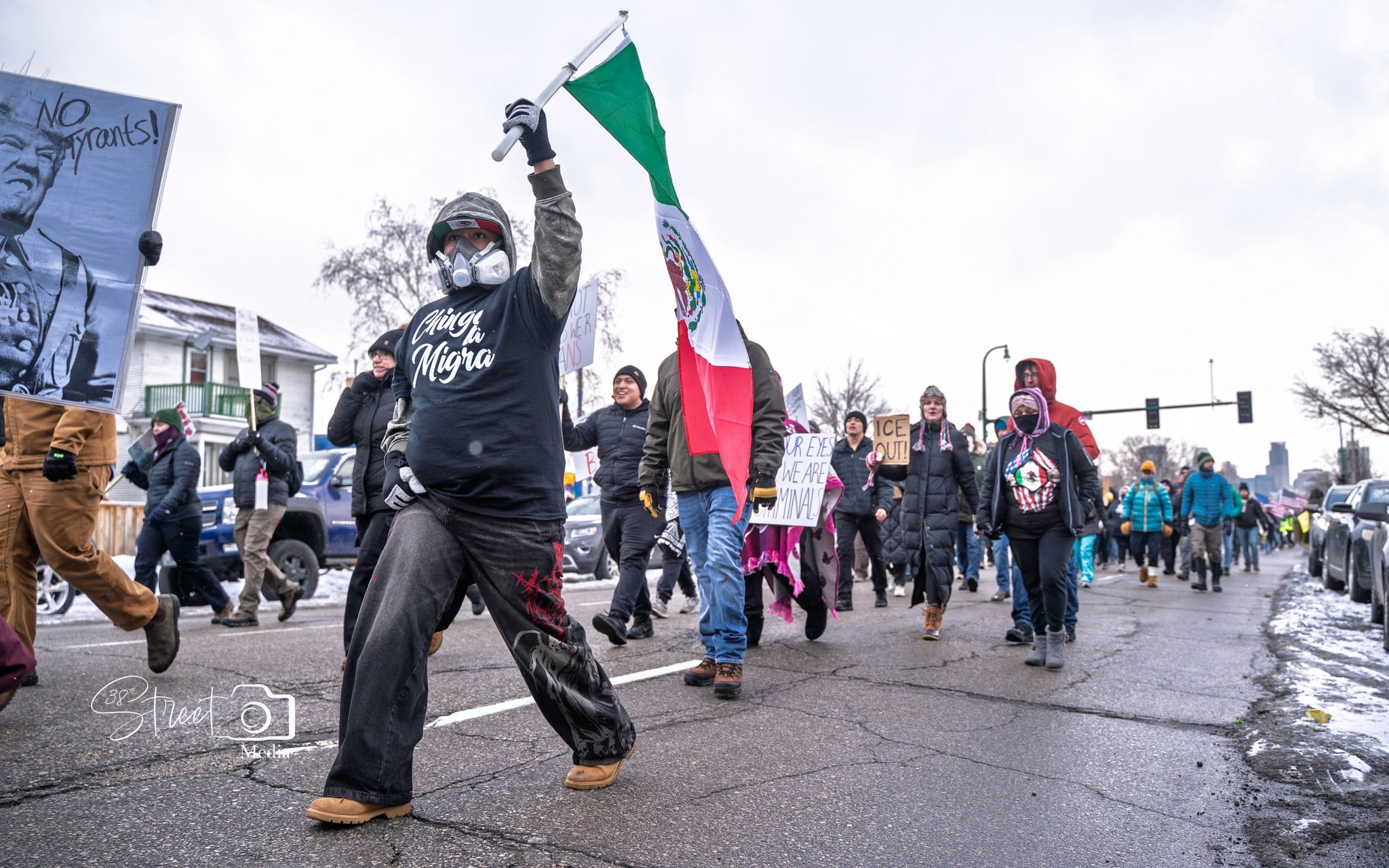
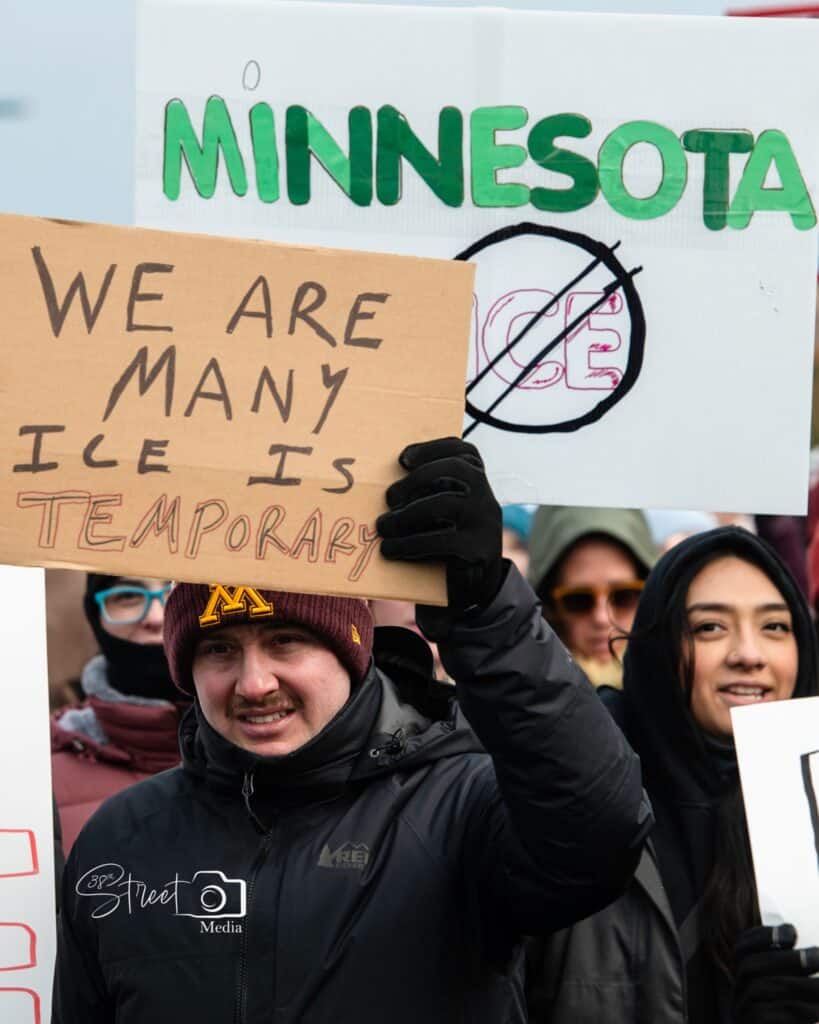
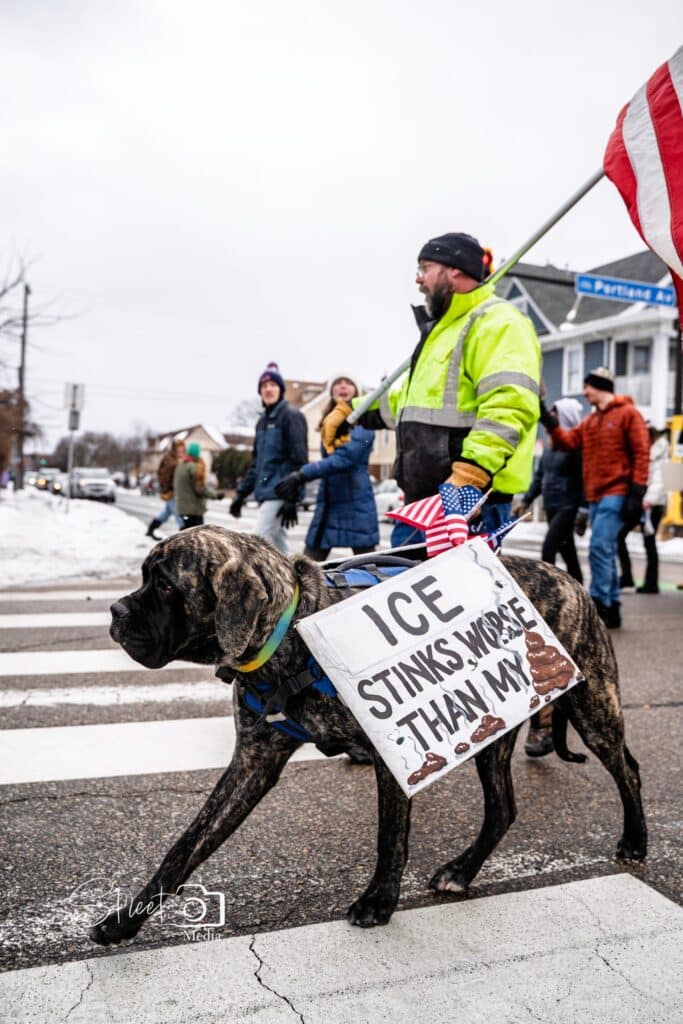
As the crowd moved, thousands of signs reflected personal and collective expression:
-
“ICE OUT NOW!”
-
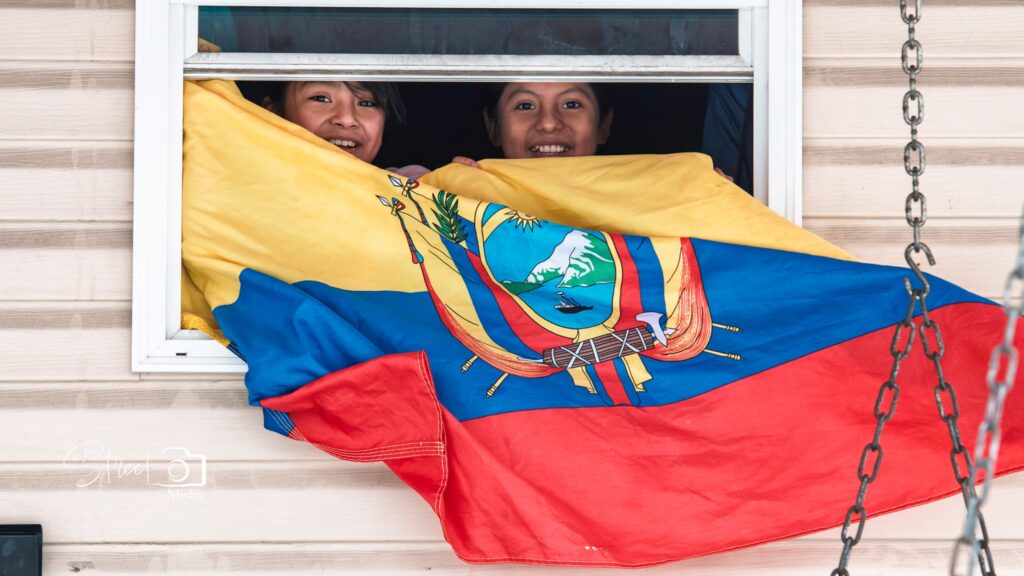
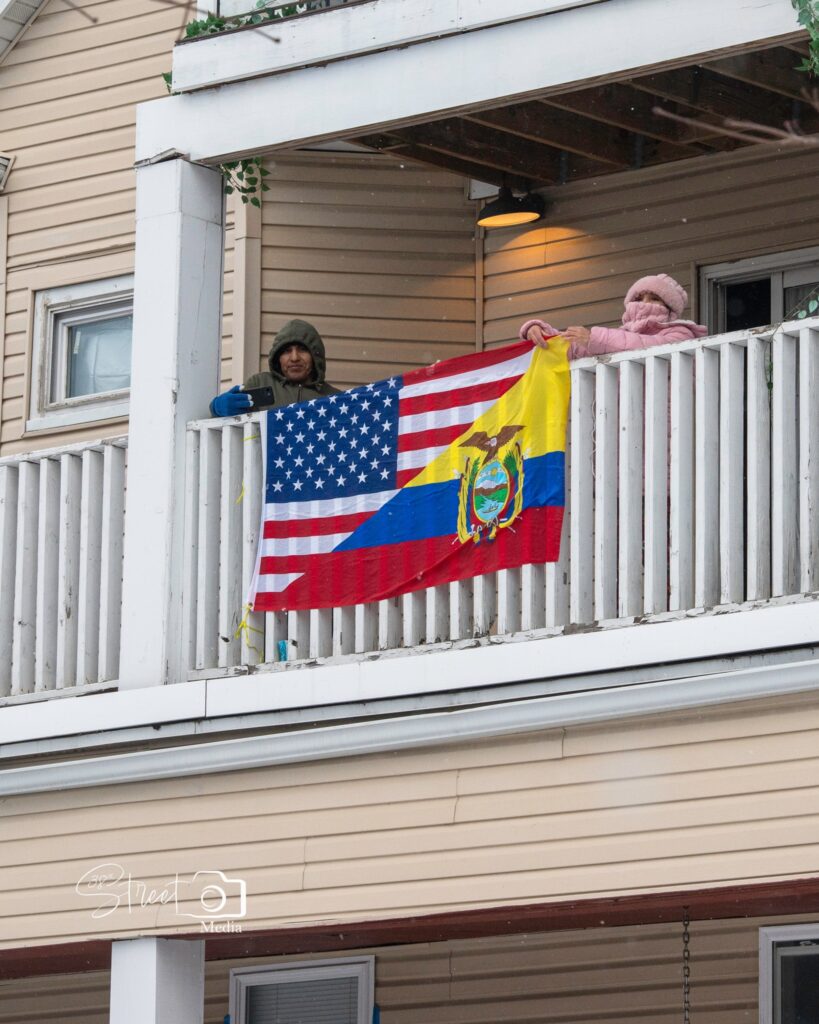
American flags and Mexican flags waving together
-
Messages of peace, justice, and community
-
Statements rejecting violence and demanding accountability

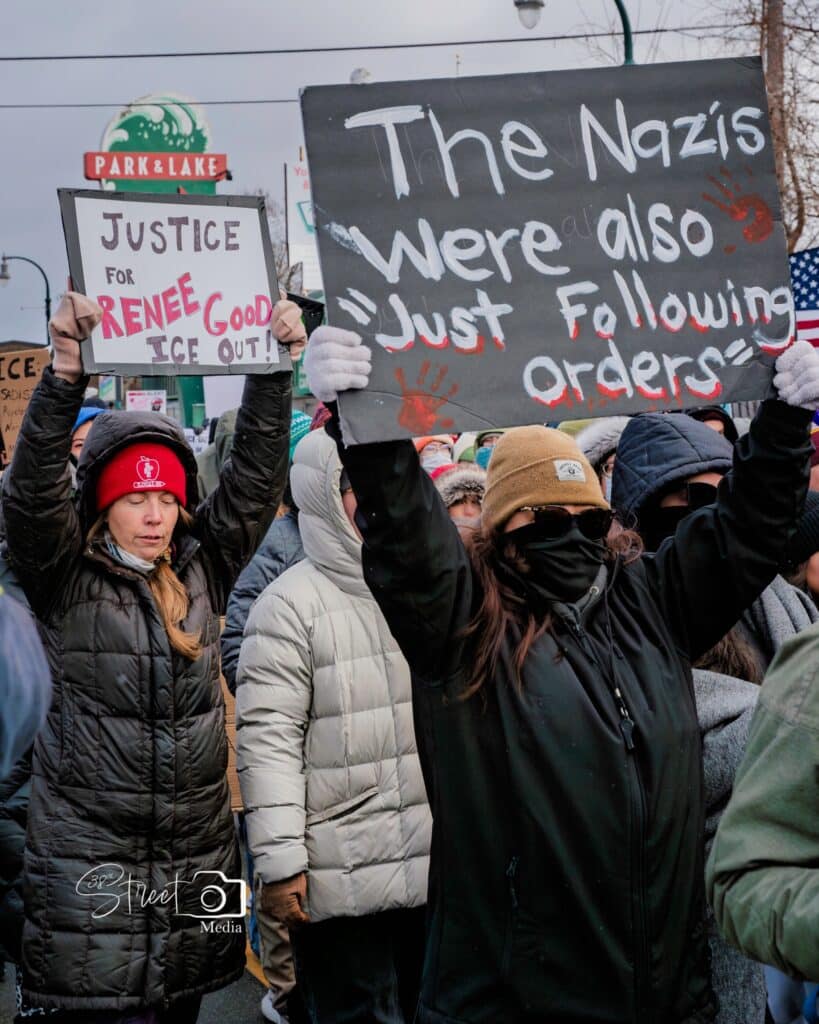
Protesters of all ages held up signs, some simple and bold, others beautifully handcrafted with images and words from the heart. These visuals told stories in themselves — stories of family, fear, resilience, and hope.
Children stood on curbs with posters, learning the power of public voice. Older adults raised their fists, faces etched with years of struggle and conviction.

Soundtrack of the Streets
Music threaded through the march like an undercurrent. Drums, chants, shouts, and local musicians playing along the route gave the protest its rhythm. The cadence became a pulse — a collective heartbeat that gave the crowd energy and continuity as they marched.
This wasn’t just demonstration. It was community in motion. It was Minneapolis saying, we are here, we are present, and we will not be silent.
Emotion in Every Frame
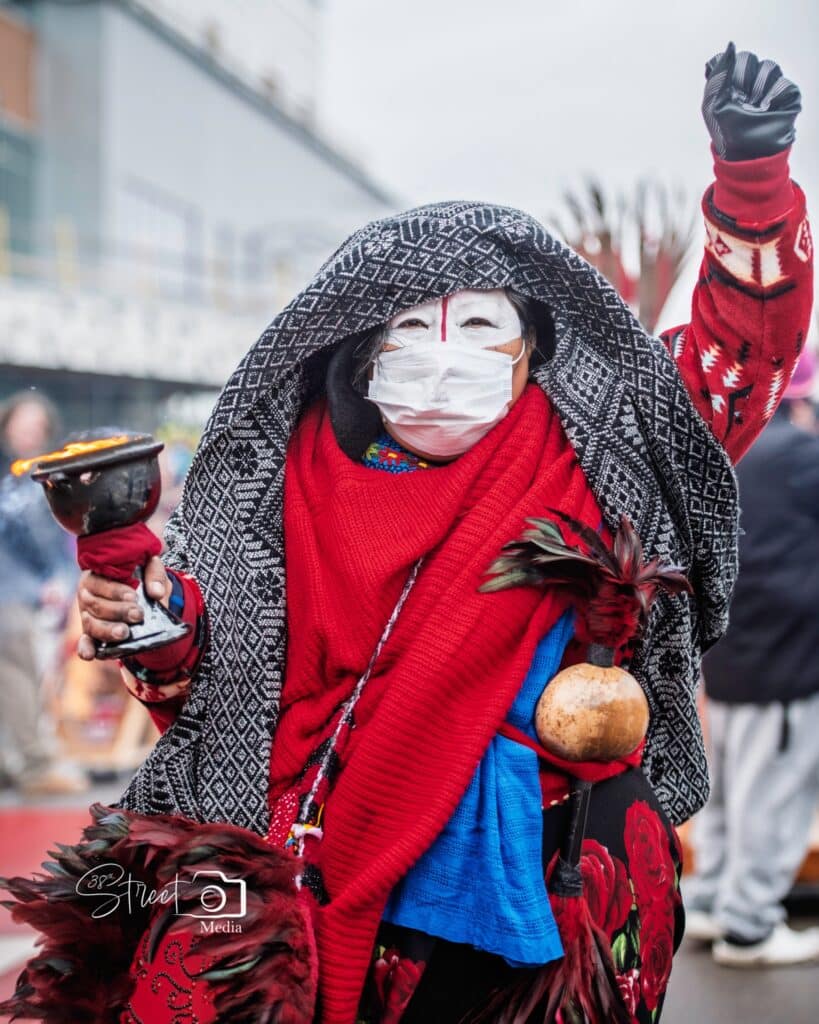
As photographers, we followed the natural flow of the event — the arcs of movement, the moments between chants, the quiet pauses in the crowd. We captured faces lit by streetlights, breath visible in the winter air, and feet moving forward together.
There were moments of:
-
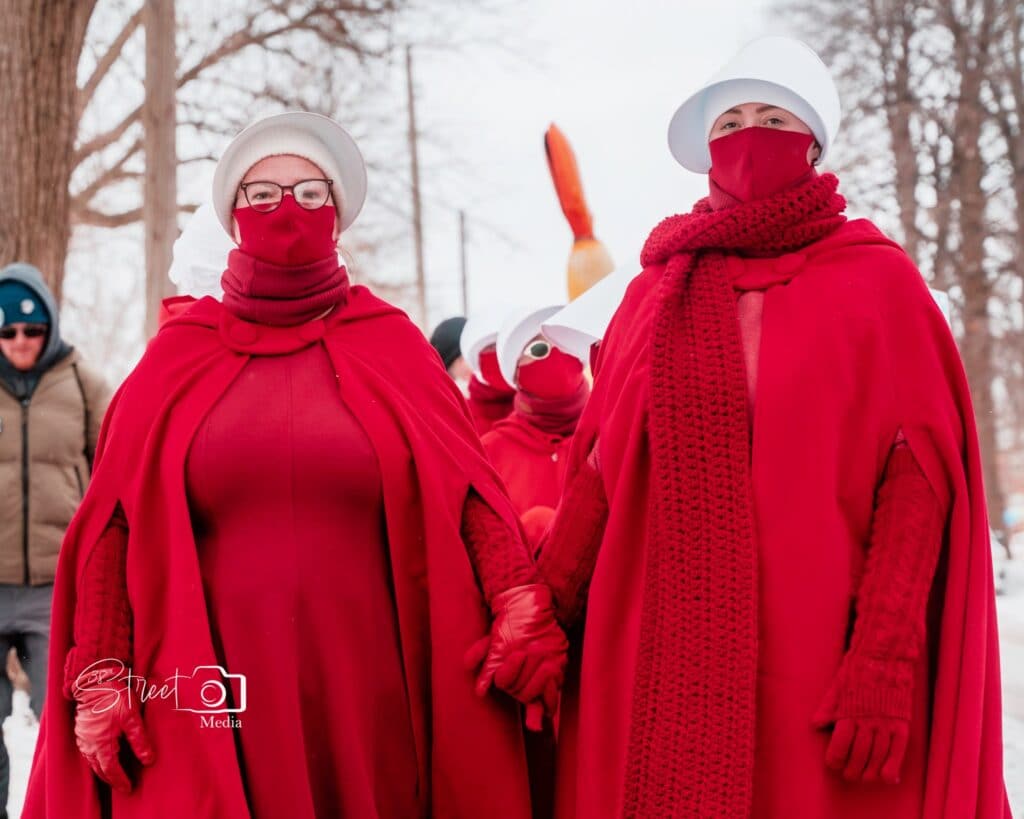
Resilience — people standing firm in cold and wind
-
Connection — hands held, eyes meeting
-
Reflection — moments of silence for Renee Good’s memory
These weren’t snapshots. These were visual stories.
Why Photojournalism Matters
Documenting protests like this is more than capturing images — it’s preserving history as it unfolds. Minneapolis has seen powerful public movements before, and this protest became part of that legacy. Photography rooted in truth and presence helps us remember what happened, how people felt, and what they stood for.
Collective moments like this are powerful because they reflect real voices, real people, and real emotion — not a pose or a press release, but humanity in motion.










Support On-the-Ground Journalism
Covering events in real time requires resources: time, equipment, travel, and safety planning. If you believe in the importance of independent photojournalism and community-centered reporting, consider making a donation to support continued on-the-ground coverage.
Your support helps ensure that stories like this are documented—not filtered, not erased, and not forgotten.